Last updated November 21, 2026
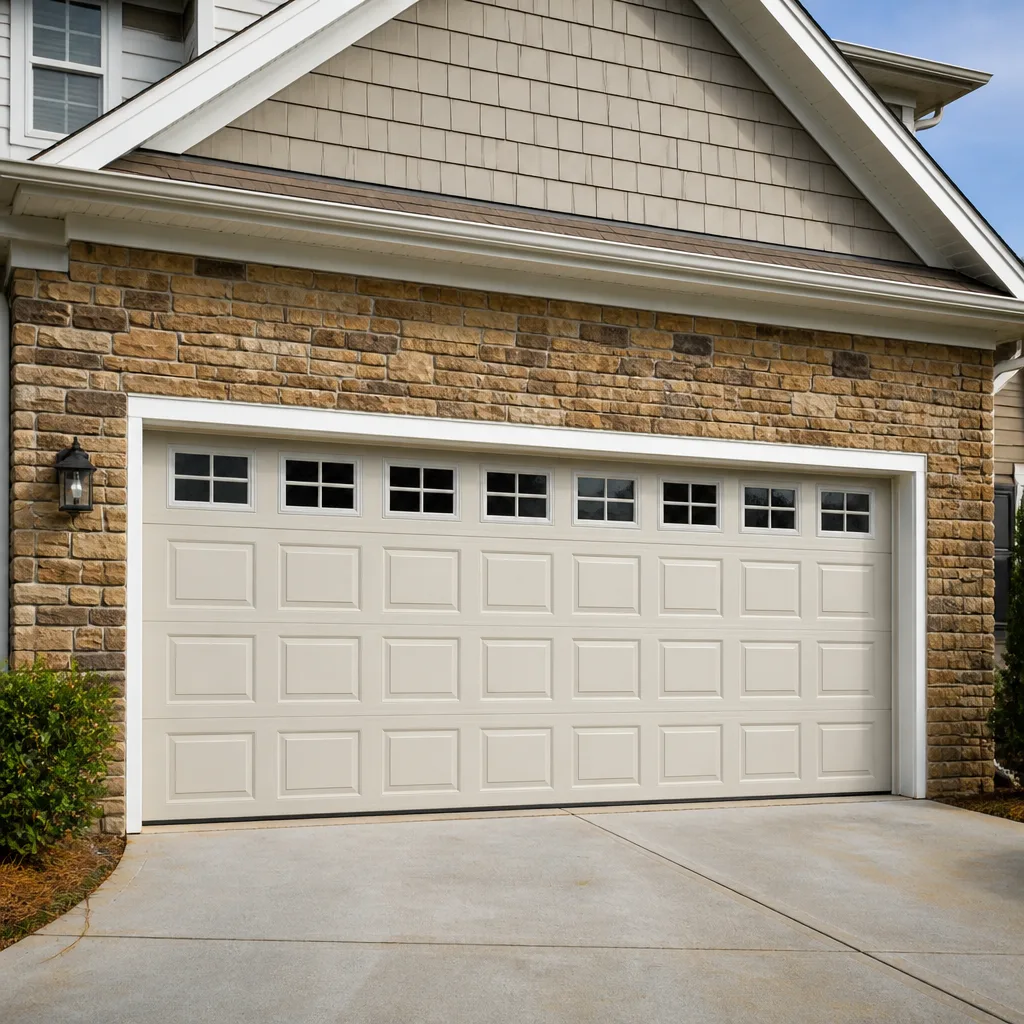 Raised-panel steel
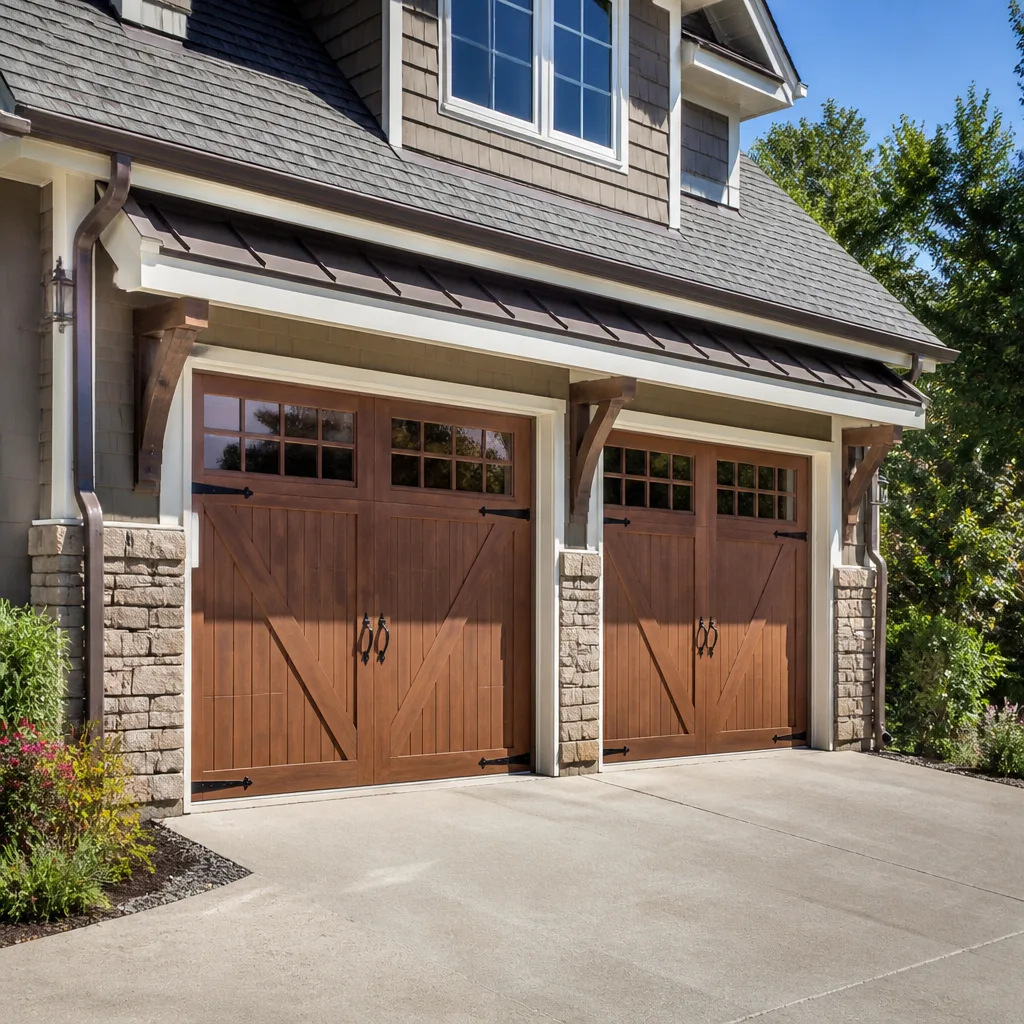 Carriage house
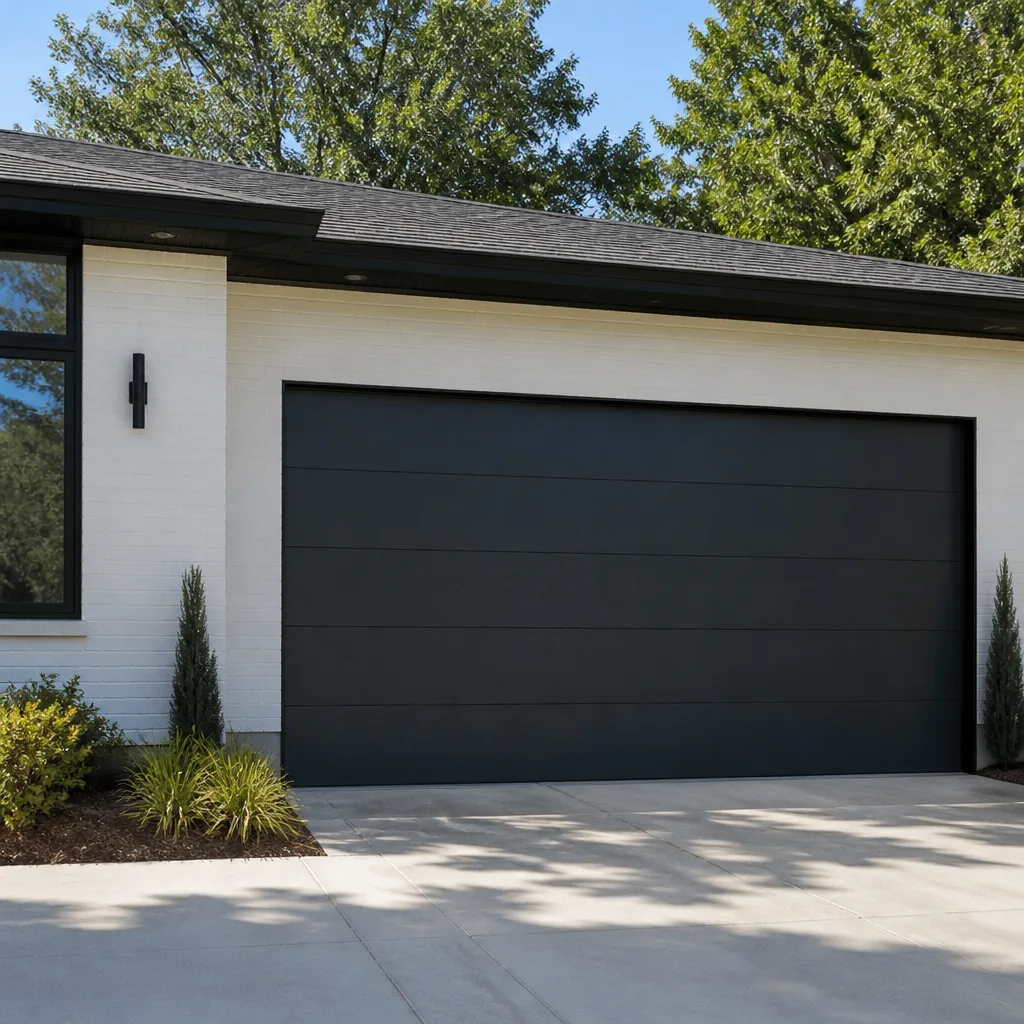 Modern flush
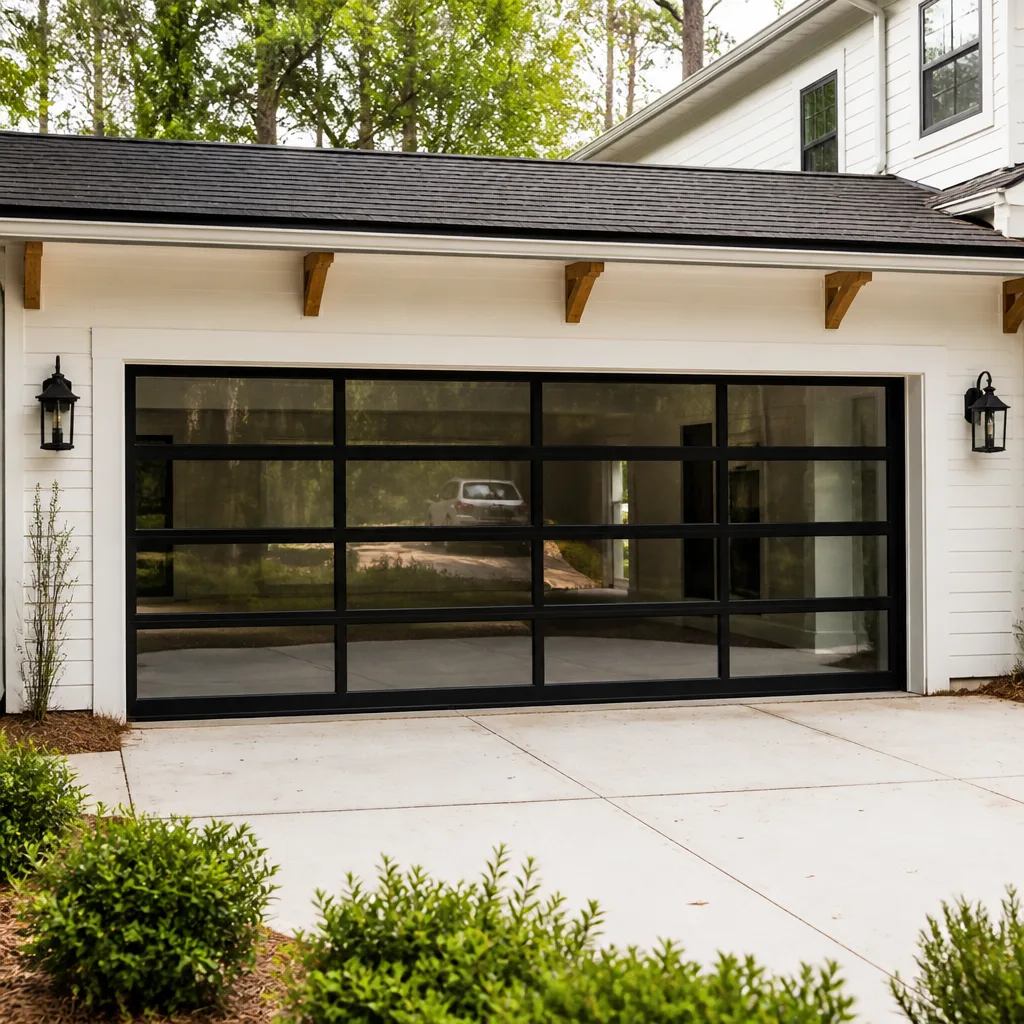 Full-view glass
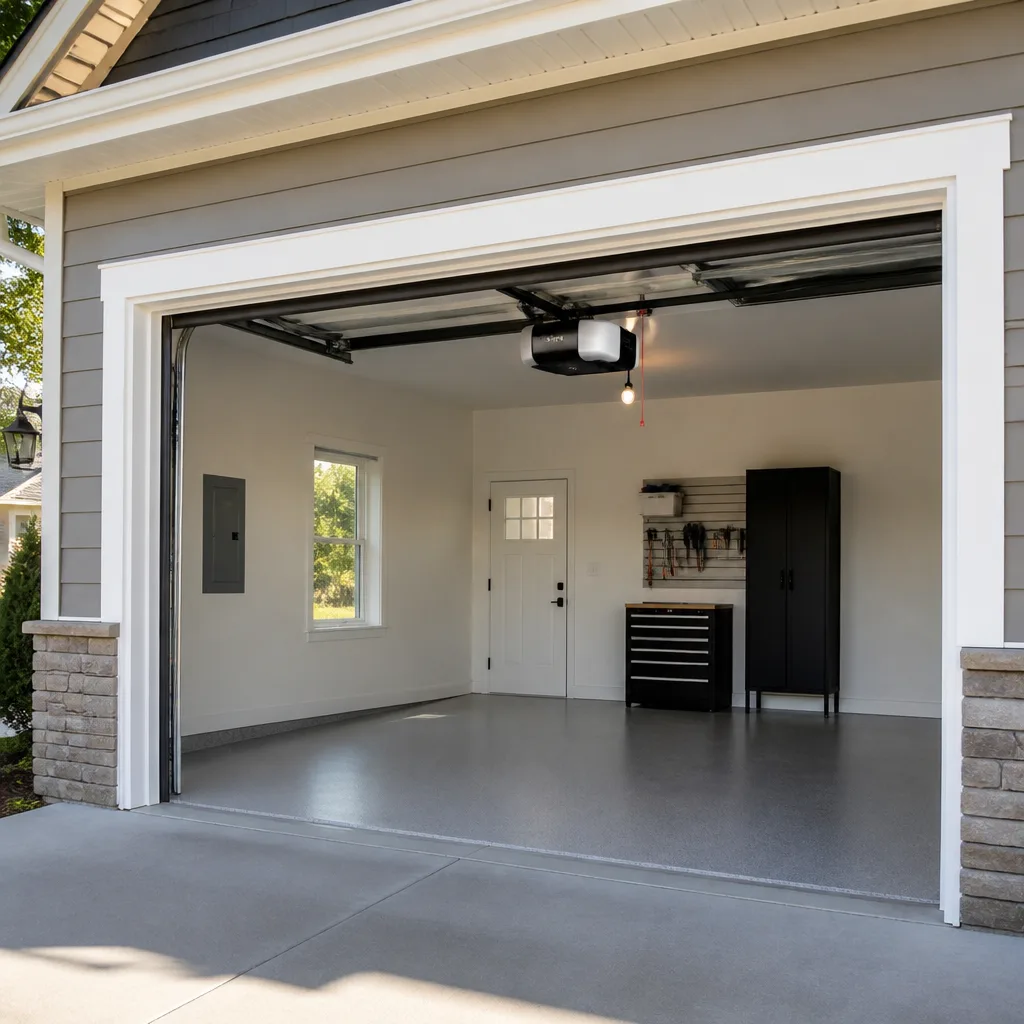 LiftMaster openers
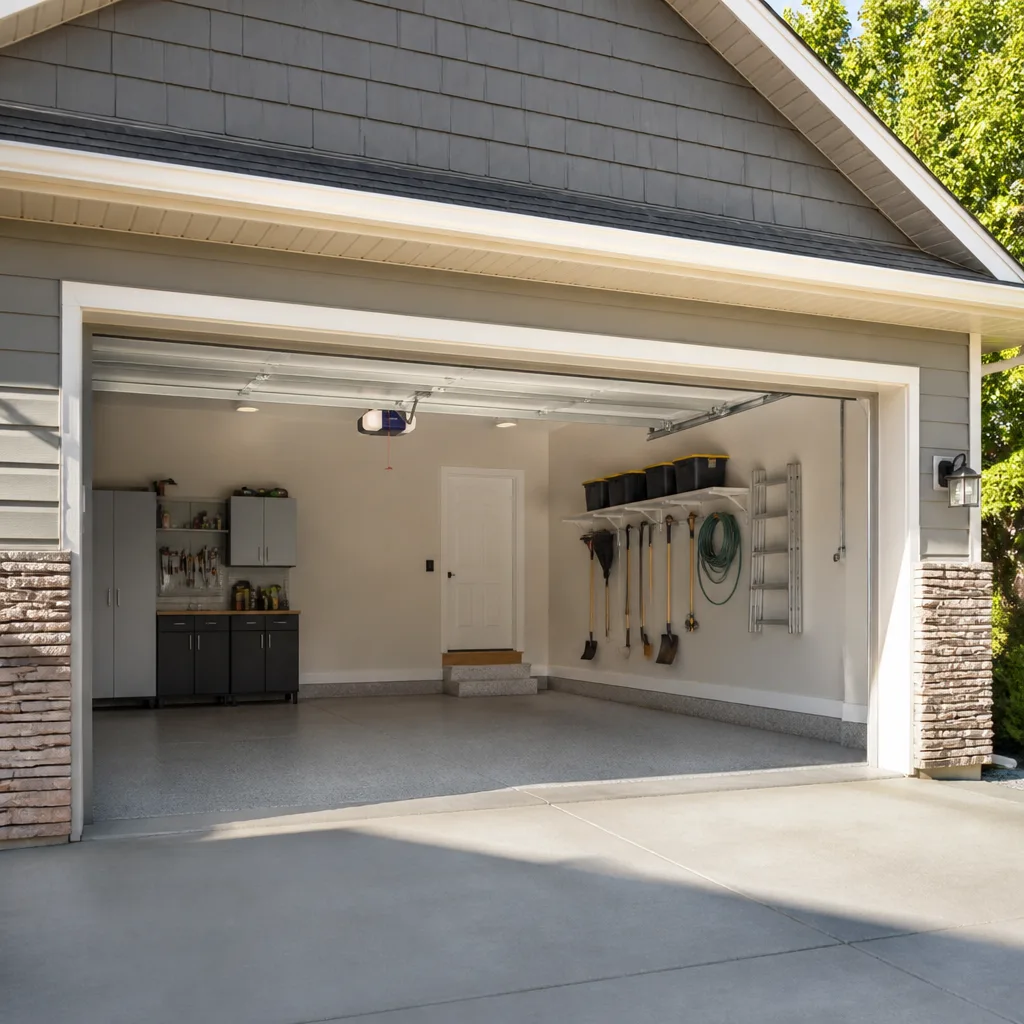 Chamberlain openers
Full 25-point door and opener safety check with every visit - springs, cables, rollers, tracks, and your LiftMaster or Chamberlain opener included
You get a price before we start. It does not change when the pro arrives.
Get your free estimateGarage Door Permits, Codes & Inspections in Ashburn, IL: What You Need to Know
If a contractor tells you flatly that garage door work “never needs a permit,” that’s not expertise – it’s a flag. The honest answer depends on exactly what’s being done. In Illinois, permit rules aren’t set by a single statewide garage door code; they’re written and enforced by each municipality, which means the same job can require paperwork in one town and none in the next. The threshold usually comes down to scope: swapping an opener is treated very differently from installing a new door and track. This guide breaks down what typically triggers a permit in Ashburn, IL, how inspections work, what UL 325 compliance means for your liability, and how to verify the rules for your specific address without getting bounced between departments.
Quick Answer
In most Illinois municipalities, a permit is typically required when a garage door installation involves structural changes – new framing, a widened opening, replaced header beams, or a new electrical circuit for an opener. Straight repairs like spring, cable, roller, or panel replacement usually fall under routine maintenance and don’t need one. Opener replacement is a gray area that varies by town. Always confirm with the Ashburn building department before work begins.
Styles & brands we work with
- Raised-panel steel
- Carriage house
- Modern flush
- Full-view glass
- LiftMaster openers
- Chamberlain openers
Table of Contents
- Why Garage Door Permit Rules Vary So Much in Illinois
- What Scope of Work Typically Triggers a Permit
- New Door Installation vs. Opener Replacement: How Code Enforcement Sees Them
- UL 325 Compliance and Homeowner Liability
- Unpermitted Work and Selling Your Home
- How to Verify Requirements for Your Ashburn Address
- What a Garage Door Inspection Actually Involves
- How Ashburn’s Climate Affects Wear and Inspection Findings
Why Garage Door Permit Rules Vary So Much in Illinois
Illinois doesn’t publish a single garage door permit rulebook. Building codes are adopted and amended at the municipal level, and in unincorporated areas the county handles enforcement. That structure creates real inconsistency. A homeowner in one Ashburn subdivision might need a permit for a full door replacement, while a neighbor a few blocks away in a different jurisdiction might not. We’ve seen the confusion firsthand: homeowners call us unsure whether they even need to start the permitting conversation, and the truthful answer is always “it depends on your address and your scope.”
The practical effect is that you can’t rely on what a friend in another town told you. What you can do is understand the general logic most code departments follow. Permits exist to make sure structural and life-safety work is inspected. The further your project moves from a like-for-like repair and toward changing the building envelope or the electrical system, the more likely a permit is in play.
- Like-for-like repair (a broken spring, a snapped cable, a bent roller): almost always exempt as maintenance.
- Opener replacement: depends on the town; often treated as an appliance swap, sometimes requiring an electrical permit.
- Full door and track replacement: frequently permitted when anchoring or framing changes, sometimes exempt when it’s a direct swap into the existing opening.
- Structural changes (widened opening, new header, reframed wall): the clearest permit trigger across the board.
If you’re in the middle of deciding whether your job is a repair or a replacement, our garage door repair page walks through what qualifies as each. The distinction matters for permitting as much as it does for pricing.
What Scope of Work Typically Triggers a Permit
The clearest way to think about it: permits track the building, not the door. If your project only touches the door, tracks, and hardware mounted inside an existing opening, most Ashburn-area code departments treat it as repair or maintenance. Once you cut into framing, change the opening’s dimensions, or run new electrical, you’ve moved into permitted territory.
Here’s how the work usually sorts out when we help homeowners in Ashburn figure out what to expect from their local building department:
- Spring, cable, roller, and hinge replacement: routine repair, no permit in most towns.
- Panel or section replacement on an existing door: repair, typically no permit.
- Opener replacement with existing wiring: varies; some towns treat it as a swap, others want an electrical permit if any new wiring is run.
- New opener circuit or outlet in the garage: electrical permit, almost always.
- Full door and track replacement into the same opening: varies widely; some municipalities require a permit and inspection here, some don’t.
- Enlarging or reframing the opening: structural permit, inspection required.
- Converting a manual door to automatic: usually involves new electrical, so an electrical permit is common.
Notice the pattern: the door itself rarely triggers a permit, but the wall and the wiring around it do. That’s why a contractor who says “we never pull permits” isn’t wrong so much as incomplete – some jobs don’t need one, and the ones that do need someone paying attention to it. Our garage door installation page covers the projects where this comes up most.
New Door Installation vs. Opener Replacement: How Code Enforcement Sees Them
Code enforcement treats these two jobs very differently, and that’s the single most misunderstood point we run into. A new door installation changes the building’s exterior envelope – the wall opening, the anchoring, sometimes the header. An opener replacement changes a mechanical and electrical component inside the garage. One touches structure; the other mostly touches equipment.
A full installation is more likely to require a permit and inspection because the inspector wants to confirm the opening was framed and anchored correctly and that the door is hung safely. When we install a Clopay or Amarr door, the actual hanging is the easy part; what inspectors typically care about is whether fasteners hit real framing and whether the door operates as designed.
Opener replacement sits in a gray zone. If you’re swapping the unit on existing wiring – a Genie failing and a new operator going into the same spot – many towns treat it as an appliance replacement and skip the permit. If new wiring or a new circuit is needed, an electrical permit is usually required. The critical layer no matter which category you fall into is UL 325 compliance, which we’ll cover next.
Where this gets costly is when a homeowner assumes “no permit needed” and later discovers the work fell into the permitted category. Getting the paperwork retroactively is possible but usually more involved than doing it upfront. Ask the question before the work, not after.
UL 325 Compliance and Homeowner Liability
UL 325 is the safety standard for automatic garage door operators, and every automatic opener sold in the US is designed to meet it. Understanding what it requires matters because a compliant operator can be installed in a non-compliant way. The standard covers entrapment protection: the operator has to detect an obstruction and reverse. That protection comes through the safety reverse system and, depending on the operator, through non-contact sensors like photo eyes.
Here’s what UL 325 means for you as a homeowner:
- Photo eyes must be mounted and functioning. They’re the invisible beam across the opening; if they’re misaligned or bypassed, the door won’t reverse on obstruction.
- The safety reverse must be tested. A door should reverse when it meets an object during closing; this is the single most important functional check.
- Wall controls must be out of reach of small children and located where the operator of the door can see it close.
- The manual release must be functional. If the door is stuck, you need a working disconnect to operate it manually.
Liability is the reason to take UL 325 seriously. An operator installed without working photo eyes or without a functional safety reverse is a hazard to anyone underneath, and in the event of an injury the installation’s compliance becomes the question. We check these systems on every job. When we replace an opener through our garage door opener repair service, we verify the safety reverse and photo eye alignment as part of the install, not as an add-on. If you’re replacing a LiftMaster or Chamberlain unit, the safety features are built in; whether they actually work depends on the install.
Unpermitted Work and Selling Your Home
When you sell a home in Illinois, you disclose permitted work and material defects. If a prior owner installed a new garage door or opener without a required permit, that can surface during a buyer’s inspection or title search. It doesn’t automatically kill a sale, but it can create a negotiating point or a delay while the situation gets sorted out.
What actually happens in practice:
- Disclosure: Illinois sellers complete a residential property disclosure that asks about unpermitted work and known defects. You’re expected to disclose what you know.
- Buyer inspection: A home inspector may flag a garage door that doesn’t reverse on obstruction or a non-compliant opener install. That often triggers a request for documentation.
- Municipal records check: A buyer’s agent or attorney may pull permit history. If a permit existed, it’s usually there with an inspection sign-off.
- Retroactive path: If work was done without a permit, the usual route is to contact the building department, explain the situation, and ask what they require – often a retroactive permit, an inspection of the existing work, and in some cases a licensed contractor’s sign-off that it meets current code.
The retroactive process is more work than the original permit would have been, and it’s easier to handle before a buyer is standing in your driveway asking questions. If you’re preparing to sell an Ashburn home and you’re unsure whether a past installation was permitted, it’s worth a call to the building department on your own timeline rather than the buyer’s.
How to Verify Requirements for Your Ashburn Address
The most reliable way to settle the permit question for your specific job in Ashburn is a single conversation with the building department that has jurisdiction over your address. The trick is knowing which department that is, because that’s where most homeowners get stuck in a phone tree.
Follow this sequence:
- Confirm your jurisdiction first. Are you inside Ashburn’s incorporated limits or in unincorporated county territory? The answer determines which building department to call. Check your property tax bill or the county assessor’s site if you’re unsure.
- Ask the scope question directly. Describe the exact work – “I’m replacing a broken torsion spring” vs. “I’m replacing the door and tracks and going from an 8-foot to a 9-foot opening.” The second will get a different answer than the first.
- Ask specifically about opener work. If you’re replacing the opener or adding a circuit, ask whether an electrical permit is required and whether the electrical work needs a licensed electrician rather than a general handyman.
- Ask what inspection is involved. Some permitted jobs require one rough inspection and one final; others require only a final. Knowing this upfront saves surprises.
- Get the answer in writing if you can. An emailed confirmation of the permit requirement (or exemption) is useful documentation if you ever sell.
We don’t make policy calls for the city, and we won’t pretend to speak for the building department. What we can tell you is what we’ve observed across Ashburn’s neighborhoods – typically the newer subdivisions near the major routes have clearer new-construction permit histories already on file, and the older homes closer to the original town center are where grandfathering questions come up more. Our team is happy to walk you through the scope of your job so you know exactly what to ask.
What a Garage Door Inspection Actually Involves
A garage door inspection – whether it’s part of a permitted installation or a standalone safety check – looks at the whole system, not just the door. The inspector wants to see that the door operates safely, that the mechanical components are sound, and that the automatic operation has functioning safety features. It’s usually a 20-30 minute walkthrough with the door run multiple times.
Here’s what a typical inspection covers:
- Balance test: the door should stay in place when manually raised to the midpoint with the opener disconnected.
- Spring and cable condition: springs intact, cables uncrossed and undamaged, no fraying at the drums.
- Track alignment and hardware: no bent track, rollers in the track and turning freely, hinges and brackets secure.
- Safety reverse test: the door reverses on meeting an obstruction during closing.
- Photo eye test: the beam is aligned, unobstructed, and the door reverses when the beam is broken.
- Electrical and manual release: opener circuit properly installed and the manual release functional.
We run these same checks on every service call, because the same things that fail inspection are the things that make a door unsafe. On permitted installations, we expect the door to pass, so the inspection is verification rather than a hurdle. If you’re unsure whether your current setup would pass, calling us for a check is worth the time – and our technicians have up to 10 years of experience with these systems.
How Ashburn’s Climate Affects Wear and Inspection Findings
Ashburn, IL sits in a climate with real seasonal swing – humid summers, cold winters, and freeze-thaw cycles. That cycle is hard on garage door components in ways that show up during inspections. Springs can weaken faster in a garage that gets cold, so a balance test that passed last season may not pass this one. Lubricant on rollers and hinges dries out faster in extreme temperatures, which accelerates wear on bearings and hinges.
The findings that come up most in Ashburn garage door inspections:
- Weakened springs: balance test fails because the springs have lost tension over time, more common in a door that’s been through several winters.
- Misaligned photo eyes: temperature shift and settling can knock an eye out of alignment; this is usually a quick fix.
- Dry rollers: the frictional wear causes noise and can affect smooth travel.
- Seal and weatherstripping gaps: not a safety failure, but it affects how the door performs in summer heat and winter cold.
We work on the brand already in your garage – Genie, Clopay, Amarr, Wayne Dalton, LiftMaster, Chamberlain, Craftsman, and Raynor – so a technician walking in already knows the system and what to look at first.
Common Mistakes to Avoid
- Taking “you never need a permit” at face value. It’s only accurate for some jobs. Ask the department that has jurisdiction over your address to confirm your specific scope.
- Assuming opener replacement needs no electrical attention. If the installer runs new wiring, that’s usually an electrical permit; ask before assuming otherwise.
- Skipping the UL 325 check. Photo eyes and safety reverse are the two things that matter most, and they’re the two most often overlooked after an opener swap.
- Getting a retroactive permit instead of doing it upfront. It’s more work and it can surface during a sale. Do the paperwork before you start if the scope calls for it.
- Not keeping documentation. Save permits, inspection sign-offs, and manufacturer documentation. If you sell, you’ll want them.
- Calling a handyman for structural or electrical scope. Garage door installs and opener wiring are trade-specific; a generalist may miss permit obligations or UL 325 compliance details.
- Assuming your neighbor’s answer applies to you. In Ashburn, jurisdiction matters; a different subdivision or a different side of the town line can mean different rules.
See the difference
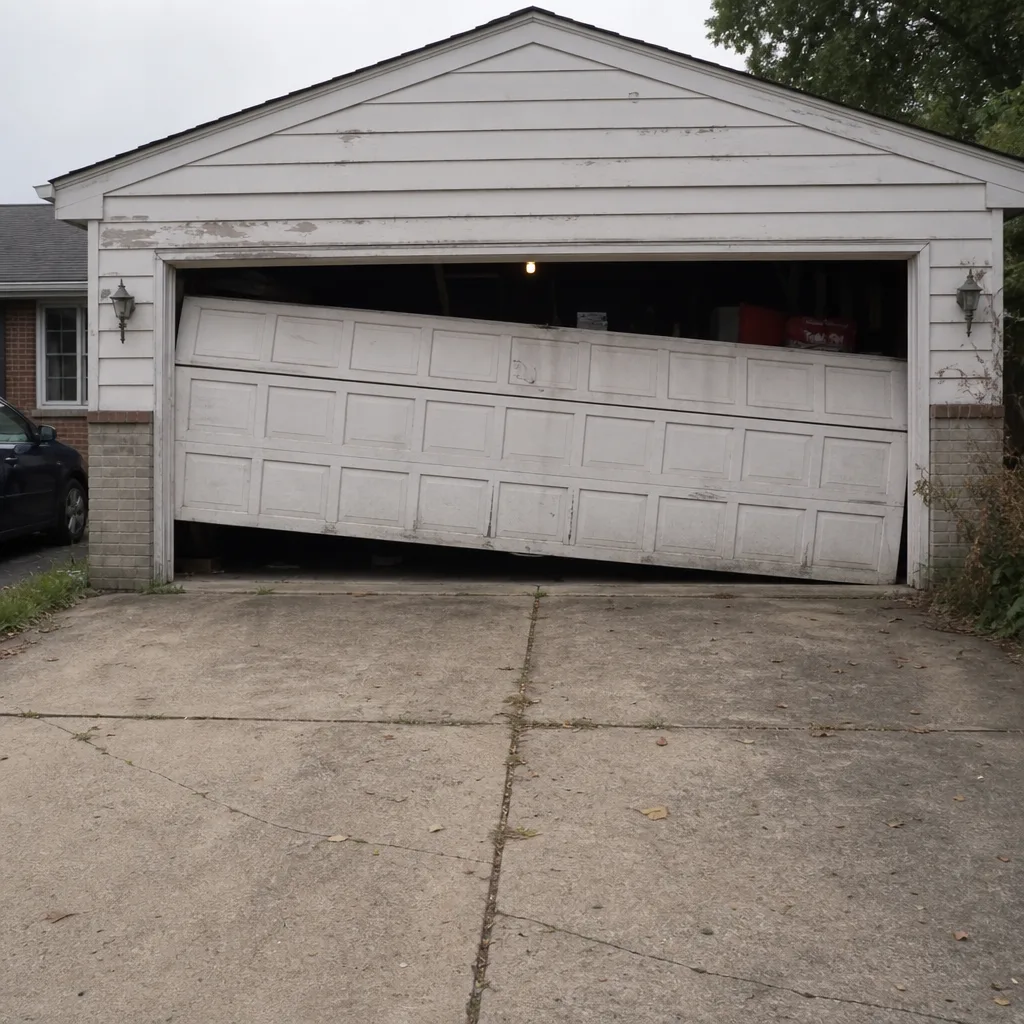 Before
 After
 Before
 After
 Before
 After
When to Call a Professional
Some jobs are safe to handle yourself – changing a light bulb on the opener wall control, giving the tracks a visual once-over, opening and closing the door to check it sounds right. Others aren’t. If you’re replacing a spring, replacing a cable, installing a door, or wiring a new opener, that’s a call-us moment. Spring work in particular involves stored tension that can cause serious injury if something lets go; a trained professional handles that safely. If you’re unsure whether your installation needs a permit, calling us for a free estimate is an easy way to get clarity on the scope, and we can tell you what to ask the city. We work on all the major brands – Genie, Clopay, Amarr, Wayne Dalton, and the rest – so we know your system. Garage Door Repair Ashburn offers free estimates in Ashburn – call (855) 337-1294.
Frequently Asked Questions
It depends on the scope and your exact jurisdiction. A like-for-like door and track replacement into the existing opening sometimes needs a permit and sometimes doesn’t; structural changes, opening modifications, and new electrical circuits typically do. Call the Ashburn building department with your specific scope and confirm – asking a question is free and avoids retroactive paperwork. For an accurate scope on your job, call (855) 337-1294 for a free estimate.
Opener replacement is a gray area in most Illinois towns. If the unit goes onto existing wiring with no new circuit, many municipalities treat it as an appliance swap without a permit. If new wiring or a new electrical circuit is needed, an electrical permit is typically required. Ask your building department which applies to you. Call (855) 337-1294 for a free estimate on the opener work itself.
UL 325 is the safety standard for automatic garage door operators. It requires entrapment protection – the safety reverse and, for many operators, photo eyes – so the door reverses when it meets an object while closing. It matters for liability: an operator installed without working safety features is a hazard. We verify both on every opener install. Call (855) 337-1294 if you’d like us to check yours.
You’ll likely need to disclose the situation, and it can turn into a negotiating point or delay during the sale. The usual fix is to contact the building department, explain the work, and request a retroactive permit and inspection. It’s usually easier to handle before a buyer is involved. Call (855) 337-1294 if you’d like help understanding what a retroactive inspection will look at.
First confirm whether your address is inside Ashburn’s incorporated limits or in unincorporated county territory, since that determines jurisdiction. Check your property tax bill or county assessor site if you’re unsure. Then call that building department with your exact scope. We can help you pin down scope so you ask the right question. Call (855) 337-1294 for a free estimate.
It can. A balance test is part of every inspection, and a spring that’s lost tension fails it because the door won’t hold at the midpoint. Springs weaken with use and with seasonal temperature swings. Replacing a worn spring is one of the most common fixes after a failed inspection. Call (855) 337-1294 – spring repair is one of our core services.
The Bottom Line
Garage door permitting in Illinois isn’t one rule – it’s a municipality-by-municipality patchwork, and the honest answer to “do I need a permit?” always starts with “it depends on your scope and your address.” Repairs rarely need one. New doors, opening changes, and new electrical usually do. Opener replacement is a gray area that depends on wiring. UL 325 compliance is your liability shield regardless of permit status, and keeping documentation protects you when you sell. If you’re in Ashburn and unsure what your job involves, ask your building department with the scope in hand – and if you need a free estimate on the garage door work itself, call (855) 337-1294. We work on the brand already in your garage, from broken spring to full installation.
Written by the team at Garage Door Repair Ashburn.