Last updated November 21, 2026
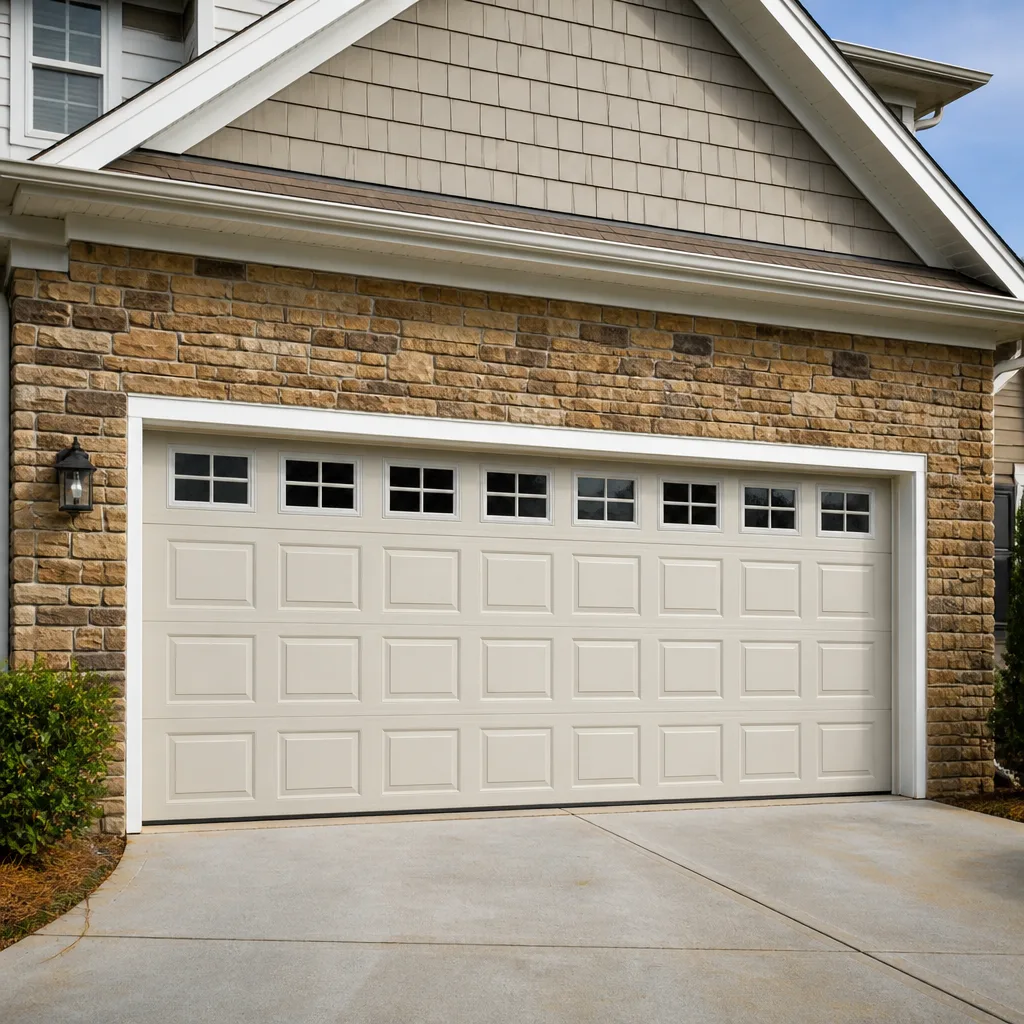 Raised-panel steel
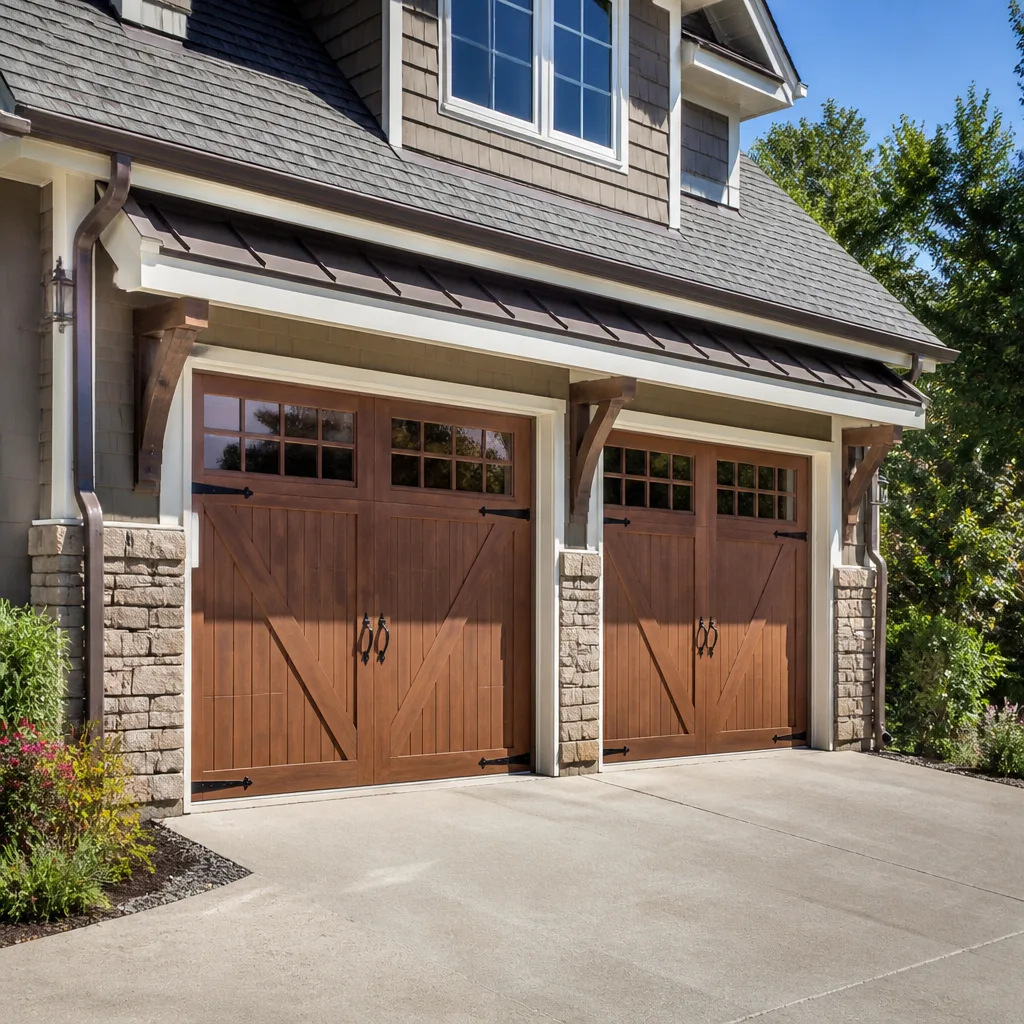 Carriage house
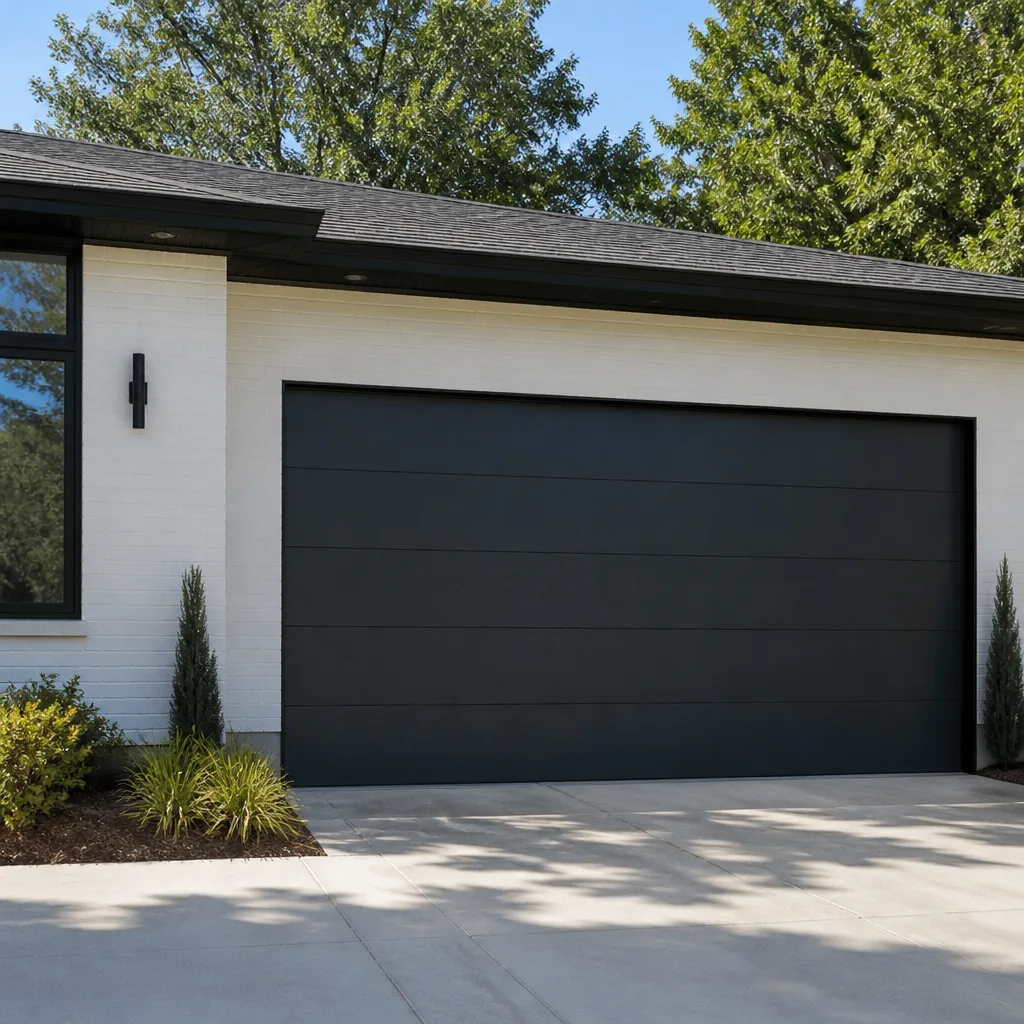 Modern flush
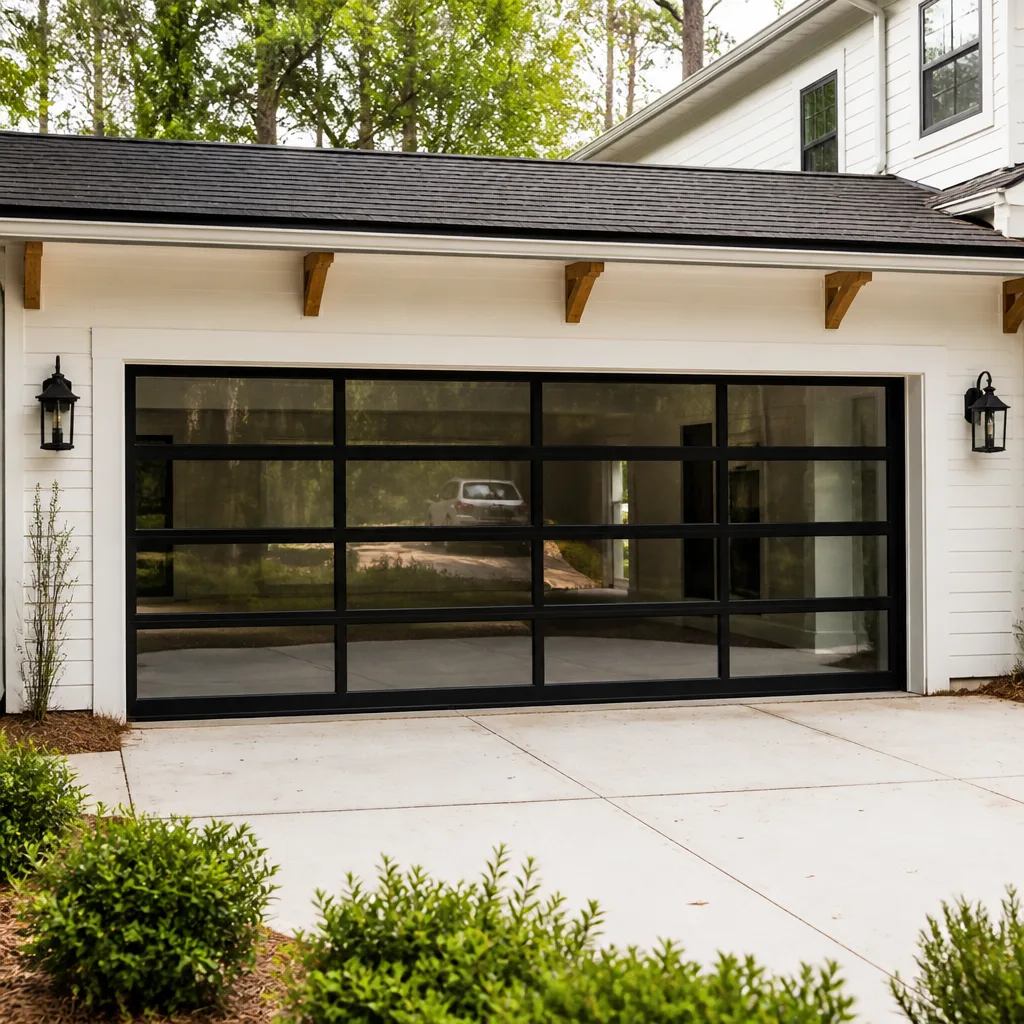 Full-view glass
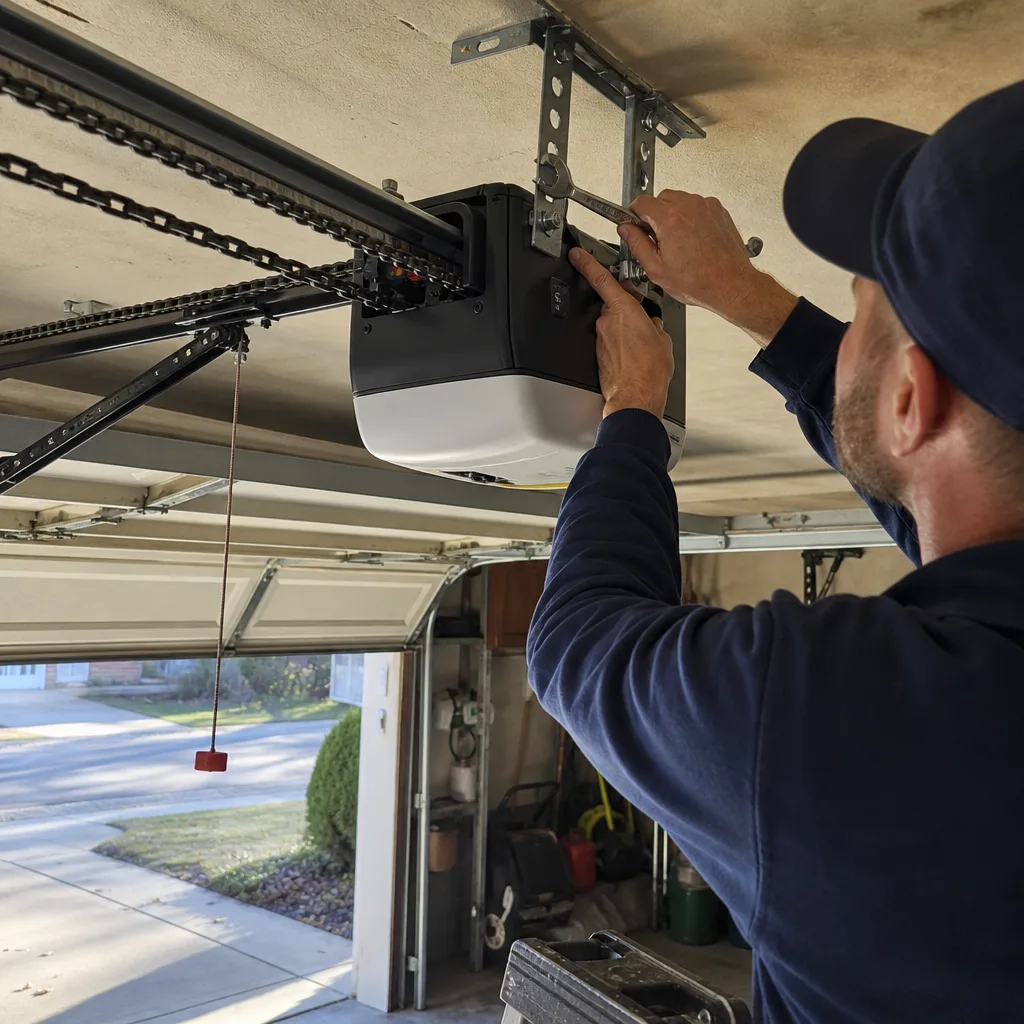
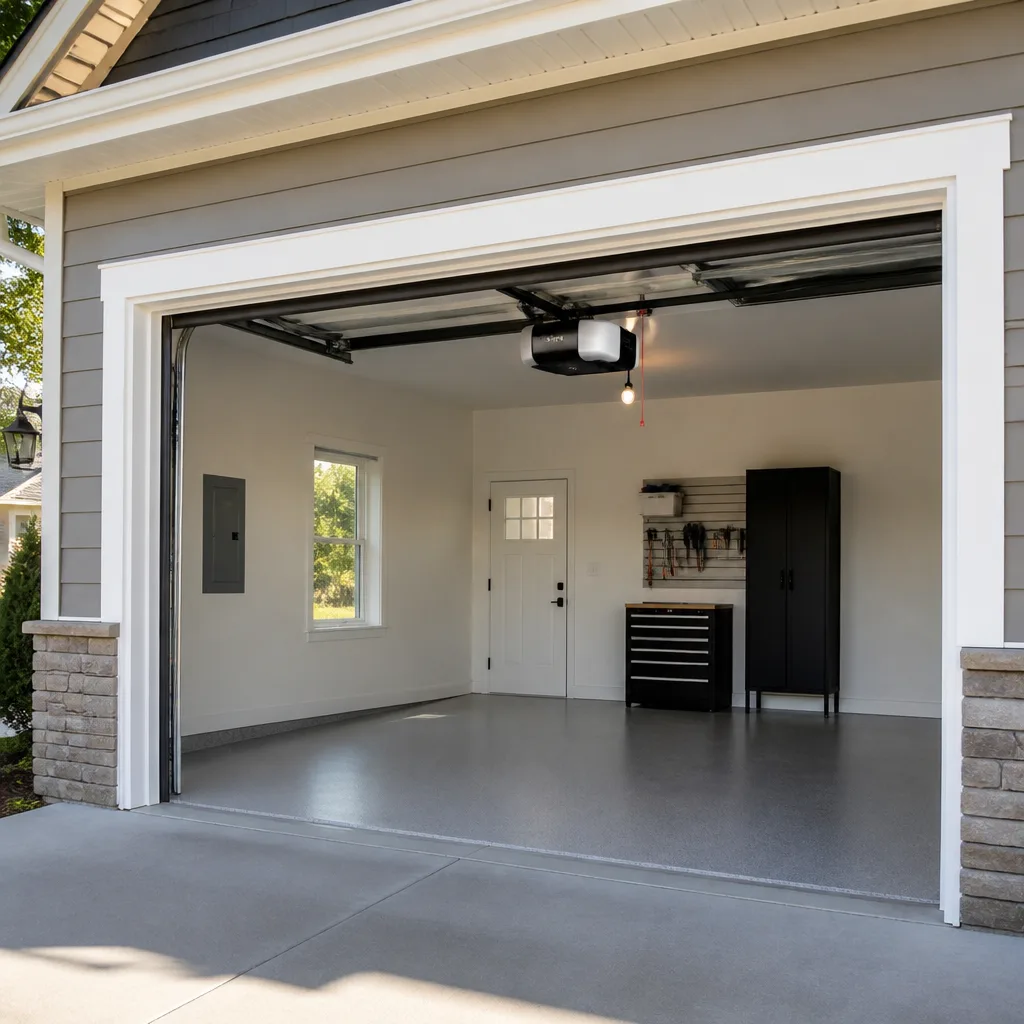 LiftMaster openers
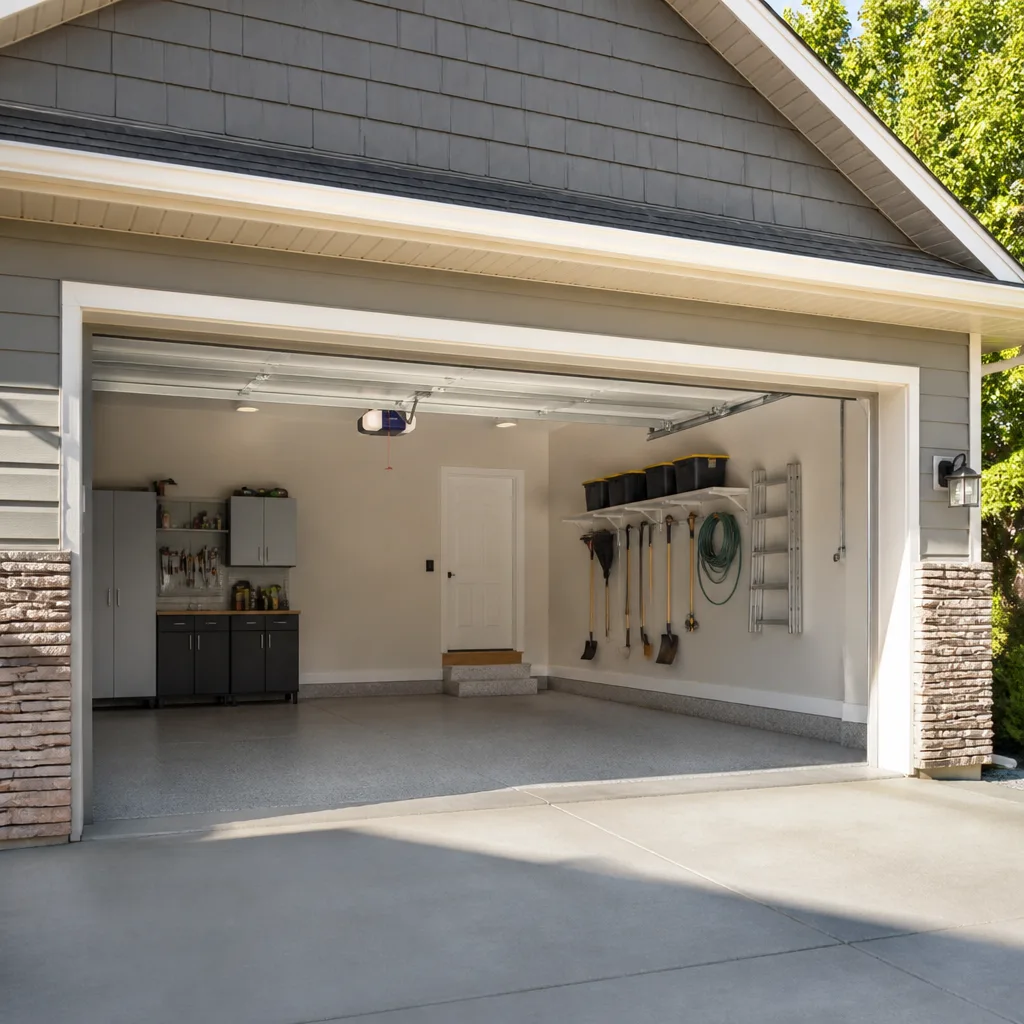 Chamberlain openers
Full 25-point door and opener safety check with every visit - springs, cables, rollers, tracks, and your LiftMaster or Chamberlain opener included
You get a price before we start. It does not change when the pro arrives.
Get your free estimateGarage Door Emergency Preparedness Guide for Ashburn Homes
When a garage door fails at 6 a.m. in February in Ashburn and your car is inside, the decisions you make in the next ten minutes determine whether you pay for a service call or a full system replacement. Most homeowners assume a broken door is random bad luck. It isn’t. Garage door failures follow patterns tied to cold snaps, freeze-thaw cycles, and the normal wear of the parts that carry the most load every single day. This guide walks through those patterns, how to move a door safely by hand when the opener dies, and the preparations that head off the calls we get most often in Ashburn. You’ll finish knowing what to do at 2 a.m., what can wait, and what to have ready before you pick up the phone.
Quick Answer
A garage door emergency in Ashburn usually means one of three things: the door is stuck open and your home is unsecured, your car is trapped inside, or a spring or cable has failed and the door is hanging. If the door is open or the car is trapped, that’s a true emergency and worth calling right away. If the door is fully closed and secure, it’s an urgent repair that can often wait until the next day. Before any call, never force a door with a broken spring. Stop, secure the space, and call (855) 337-1294.
Styles & brands we work with
- Raised-panel steel
- Carriage house
- Modern flush
- Full-view glass
- LiftMaster openers
- Chamberlain openers
Table of Contents
- Why Garage Door Emergencies Cluster Around Ashburn Weather
- How to Operate a Garage Door Manually When the Opener Fails
- Pre-Winter Prep That Eliminates the Three Most Common Winter Emergencies
- How to Tell If a Failed Door Is Safe to Leave or Needs Immediate Help
- What to Have Ready Before You Call for Emergency Service
- True Emergency vs. Urgent Repair: What Can Wait Until Morning
- Springs and Cables: The Failures You Should Never Handle Yourself
- Why Brand Matters When Your Door Fails
Why Garage Door Emergencies Cluster Around Ashburn Weather
Garage door failures aren’t evenly spread across the calendar. In Ashburn, they bunch up around specific conditions. The first hard freeze of the season, the thaw that follows a heavy snow, and the long stretch of dry, cold weeks in January and February all trigger predictable problems. Understanding the pattern lets you prepare instead of react.
Cold does two things to a garage door system. It makes metal contract, which changes the tension on springs and the alignment of tracks. And it stiffens the lubricant in rollers, hinges, and the opener’s rail, which forces the opener motor to work harder than it was designed to. When the opener strains against a stiff door, you get stripped gears, burned-out motors, and snapped springs. The spring is often the weakest link because it’s already carrying the full weight of the door. Our technicians have up to 10 years of experience, and the cold-weather pattern shows up on nearly every Ashburn street we service.
Freeze-thaw is the second factor. Snow melts during the day, runs under the door’s bottom seal, and refreezes at night, bonding the door to the floor. When the opener tries to lift a door that’s frozen to the concrete, something has to give, and it’s usually a spring or a gear in the opener. Homeowners in newer Ashburn subdivisions, where driveways slope toward the garage, see this more often because meltwater pools at the door’s base.
The practical takeaway: the week before the first hard freeze and the days after a big snow are when a little prep pays off most. A door that’s been lubricated, balanced, and checked for spring wear handles cold snaps without drama. A door that’s been neglected for two winters is a coin flip once the temperature drops.
How to Operate a Garage Door Manually When the Opener Fails
When the opener dies or loses power, you can usually open and close the door by hand. The key is doing it correctly. The single most common mistake homeowners make is pulling the red emergency release cord while the door is up. That disconnects the door from the opener’s carriage while the door is held up by the springs alone, and the door can come crashing down or, worse, derail a cable and leave the door hanging off its tracks. Learning the safe sequence now saves you a much bigger repair later.
Here’s the safe way to go manual:
- Check the door’s position. Only pull the emergency release when the door is fully closed. If it’s stuck open, don’t pull the cord. Call a professional.
- Locate the release cord. It’s the red-handled rope hanging from the opener’s rail, usually near the door. If you can’t find it, look up along the rail.
- Pull straight down and hold. Pull firmly but steadily. You’ll hear the carriage disengage. Don’t yank.
- Lift the door slowly. Use both hands on the bottom section, lift straight up, and let the springs do the work. If it feels impossibly heavy, stop. The springs may be broken, and the door should not be lifted.
- Prop it open if you need to. If you must leave it open, use a sturdy brace under the door, never your body or a piece of furniture.
- Re-engage carefully. When you’re ready to reconnect, close the door first, then pull the release cord again to re-engage the carriage.
If the door won’t move at all when you lift it, or if it feels much heavier than usual, stop immediately. A door that’s too heavy to lift by hand usually means a broken spring, and lifting it further can drop it or damage the cables. That’s the moment to call a professional. For a broader look at what different repairs involve, our garage door repair page walks through the common failure types.
Pre-Winter Prep That Eliminates the Three Most Common Winter Emergencies
In our experience, the winter emergency calls we get in Ashburn fall into three predictable buckets. A little preparation in the fall prevents most of them. The work is straightforward, and it’s the kind of thing a homeowner can do in an afternoon or have checked during a routine service visit.
The three winter emergencies and how to prevent them
- Frozen door stuck to the floor. Meltwater runs under the bottom seal and refreezes overnight. Prevent it by clearing snow away from the door’s base, making sure the bottom seal is intact, and keeping the driveway sloped so water drains away from the door rather than pooling at it.
- Stiff, straining opener. Cold thickens lubricant and forces the opener to work harder. Prevent it by lubricating the rollers, hinges, and springs with a garage-door-rated lubricant (not WD-40) before the first freeze, and by having the opener’s force settings checked so it isn’t fighting a stiff door.
- Snapped spring. Springs fail more often in cold because the metal contracts and the tension spikes. There’s no way to fully prevent a spring failure, but you can catch it early by looking for gaps in the coils and listening for the telltale bang that means a spring has let go. A spring that’s visibly worn should be replaced before winter.
Beyond the three big ones, a fall tune-up covers the small stuff: tightening loose hardware, checking the balance of the door, testing the safety sensors, and confirming the opener’s auto-reverse works. Our garage door opener repair team can check the opener’s force settings and safety systems while they’re out, which is worth doing before the cold sets in.
How to Tell If a Failed Door Is Safe to Leave or Needs Immediate Help
Not every failed door is an emergency. The question isn’t whether the door is broken, it’s whether the door is in a safe position. A door that’s fully closed and secure can usually wait. A door that’s open, hanging, or off its tracks needs attention now. Here’s how to sort it out.
Safe to leave temporarily (call when you can)
- The door is fully closed and the springs, cables, and tracks look intact.
- The opener runs but the door won’t move, and the door is shut.
- The door opens and closes by hand smoothly, but the opener won’t engage.
- The door is closed and the only issue is cosmetic, like a dented panel or a worn seal.
Needs immediate attention
- The door is stuck open and your home or belongings are exposed to the street.
- A spring has snapped and the door is hanging or feels impossibly heavy.
- A cable is off its drum or hanging loose.
- The door is off its tracks, crooked, or resting on one side.
- Your car is trapped inside and you need it out.
If the door is in the immediate category, don’t try to force it. Keep people and pets away from the door, don’t run the opener, and call for help. A door that’s hanging or off its tracks can drop without warning. If the door is fully closed and secure, you can often wait until the next morning, which usually costs less than an after-hours call.
What to Have Ready Before You Call for Emergency Service
The faster you can give us the right information, the faster we can help. A garage door emergency call goes smoother when the person on the phone can describe the problem in specifics rather than a general “it’s broken.” Having these details ready shortens the diagnostic call and helps the technician arrive with the right parts, which matters more than most homeowners realize. When the technician already knows the brand and model of your door and opener, they’re more likely to have what’s needed on hand instead of ordering it.
Before you dial, have these ready:
- The door’s brand and model. LiftMaster, Chamberlain, Genie, Clopay, Amarr, Wayne Dalton, Craftsman, and Raynor are all brands we work on. The model number is often on a label on the door’s bottom section or the opener’s motor housing.
- What the door is doing. Won’t move at all? Moves a few inches then stops? Goes up but won’t come down? Each points to a different problem.
- Whether the springs are intact. Look up along the track. If the spring coils have a visible gap, that spring has snapped.
- Whether the cables are still on the drums. A cable hanging loose is a different emergency than an opener that won’t run.
- Whether your car is trapped. This changes how quickly the call needs to be handled.
- Your address and the best number to reach you. Obvious, but worth saying.
For a full installation or a door replacement, the prep is different. That work is measured, ordered, and scheduled rather than done on an emergency timeline, and our garage door installation page covers what to expect.
True Emergency vs. Urgent Repair: What Can Wait Until Morning
The line between a true emergency and an urgent repair is worth understanding because it directly affects what you pay. Emergency service is priced for speed. A repair that can wait until the next day is often handled at a lower rate. The question to ask yourself is simple: can this wait until morning without putting my home, my family, or my car at risk?
True emergency
- The door is stuck open and your home isn’t secure.
- Your car is trapped and you need it out.
- A spring or cable has failed and the door is hanging or unsafe to use.
- The door is off its tracks and threatening to fall.
Urgent repair that can wait until morning
- The door is fully closed and secure but the opener won’t run.
- A single section is damaged but the door still operates.
- The opener’s remote or keypad stopped working.
- The door runs but makes a new noise. Get it checked, but it can usually wait until morning.
If you’re not sure which category your situation falls into, call and describe it. We’d rather help you sort it out than have you force a door that shouldn’t be forced. A door that’s fully closed, with intact springs and cables, is generally safe to leave overnight. A door that’s open or hanging is not.
Springs and Cables: The Failures You Should Never Handle Yourself
Springs and cables are the two parts of a garage door system that store the energy needed to lift the door. They’re also the two parts that cause the most serious injuries when homeowners try to handle them. A garage door spring is under enough tension that a snap can throw metal across the room. The cable that runs alongside it is held by a drum that can spin loose without warning. This is the one area where we tell every homeowner the same thing: don’t touch it.
What you should do instead is recognize the signs and call. A spring that’s broken shows a visible gap in the coils, usually one to three inches. A cable that’s off its drum hangs loose along the track. A door that’s lost tension is much heavier than it should be and may only lift partway. Any of these means the door should not be used, even if the opener still runs. Running the opener against a broken spring forces the motor to do work it wasn’t designed for and can cause a second failure.
Spring repair is one of our core services, and it’s the one we’re most often called for after a cold snap in Ashburn. When a spring fails, we replace it with a matched pair and check the cables, drums, and rollers while we’re there. Replacing a single spring when its partner is the same age usually just means the second failure follows soon after. If you’re hearing a bang from the garage or seeing a door that won’t lift, stop using it and call (855) 337-1294.
Why Brand Matters When Your Door Fails
When a garage door fails, the brand of the door and the opener matters more than most homeowners expect. Brands aren’t interchangeable. A Chamberlain opener uses different internal components than a Genie. A Clopay door has a different panel and track system than an Amarr. When the technician arrives already familiar with your system, they’re more likely to diagnose the problem on the first visit and have the right parts on hand. That’s the difference between a one-visit fix and a multi-trip repair.
We work on all eight leading residential brands: LiftMaster, Chamberlain, Genie, Clopay, Amarr, Wayne Dalton, Craftsman, and Raynor. That means when you call in Ashburn for a Chamberlain opener that won’t reverse, a Genie that’s lost its remote, or a Clopay door with a dented bottom section, you’re calling a specialist who works on that exact system regularly rather than a generalist learning it on the job. It also means parts are more likely to be available quickly. Our stock and service focus is on residential garage doors, so the parts we keep are the ones homeowners actually need.
If you’re not sure what brand your door or opener is, the label is usually on the bottom section of the door or the opener’s motor housing. A quick photo sent to us during the call is often enough for us to identify it. The faster we know the brand and model, the faster we can get you to a working door.
Common Mistakes to Avoid
- Pulling the emergency release while the door is open. This is the single most common cause of a derailed cable and a door hanging off its tracks. Only pull the release when the door is fully closed.
- Forcing a door with a broken spring. A door with a snapped spring is under no tension, and lifting it can drop it or snap a cable. Stop and call. This is the failure that most often turns a small repair into a large one.
- Running the opener to “test” a broken door. Repeatedly running an opener against a stiff, frozen, or broken door strips its gears and can burn out the motor. One attempt is enough to confirm it’s not working.
- Using WD-40 as a garage door lubricant. It’s a solvent, not a lubricant, and it can strip the grease the rollers need. Use a garage-door-rated lubricant instead.
- Ignoring a small dent or a new noise. In Ashburn’s freeze-thaw cycle, a small alignment problem in fall becomes a bigger track problem in winter. Fix the small stuff before the cold sets in.
- Assuming the brand can’t be serviced. Homeowners sometimes assume their off-brand or older door is unserviceable. Most residential doors and openers in Ashburn can be repaired, even older ones. Ask before you replace.
- Waiting until the door fails to prep. The week before the first hard freeze is the best time to lubricate, check balance, and look for spring wear. A little prep in fall prevents most winter emergencies.
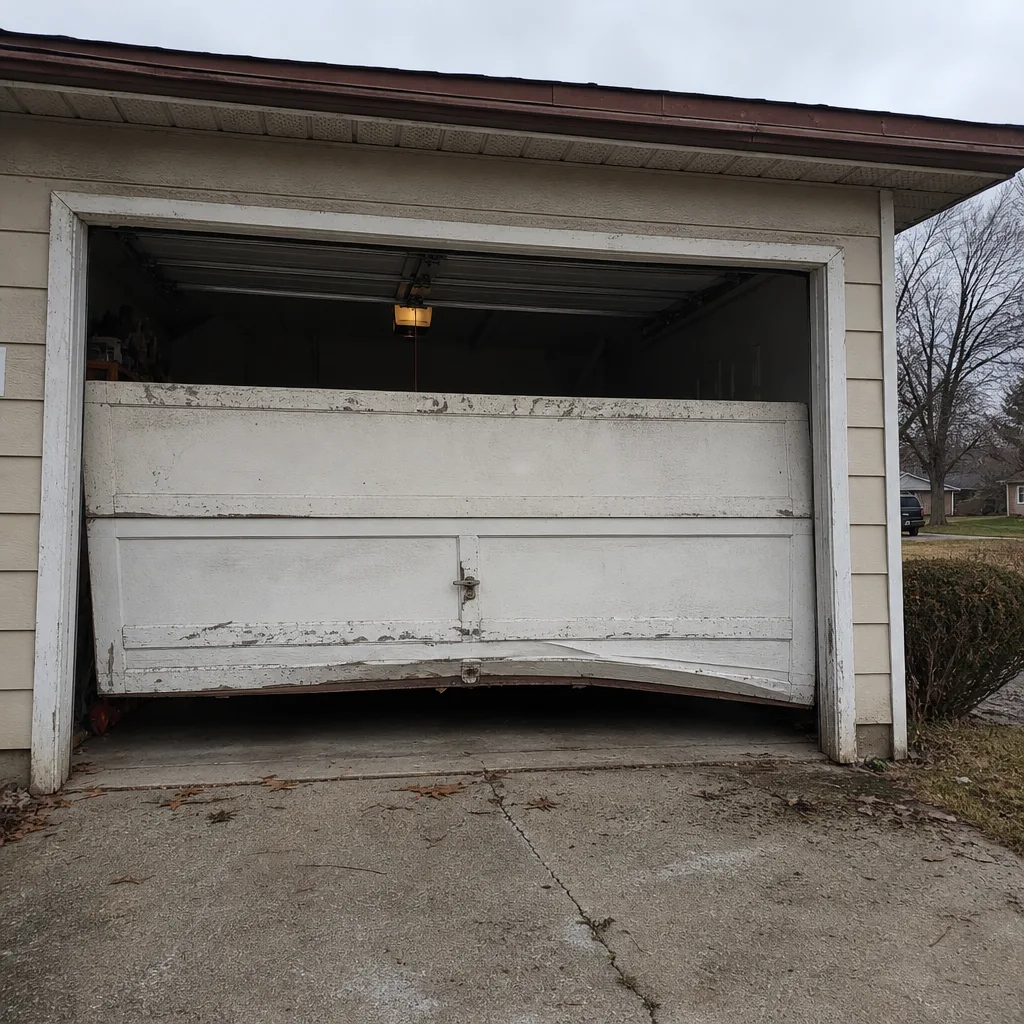
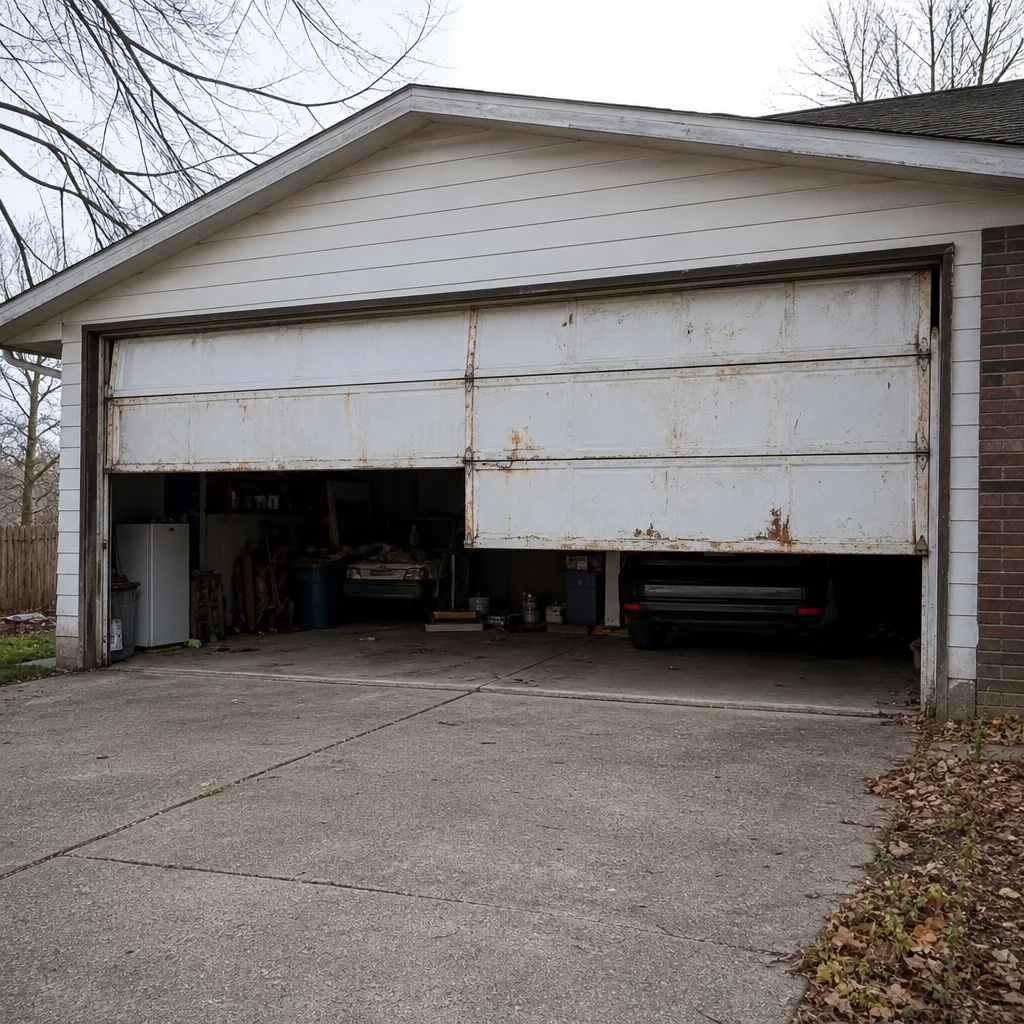
See the difference
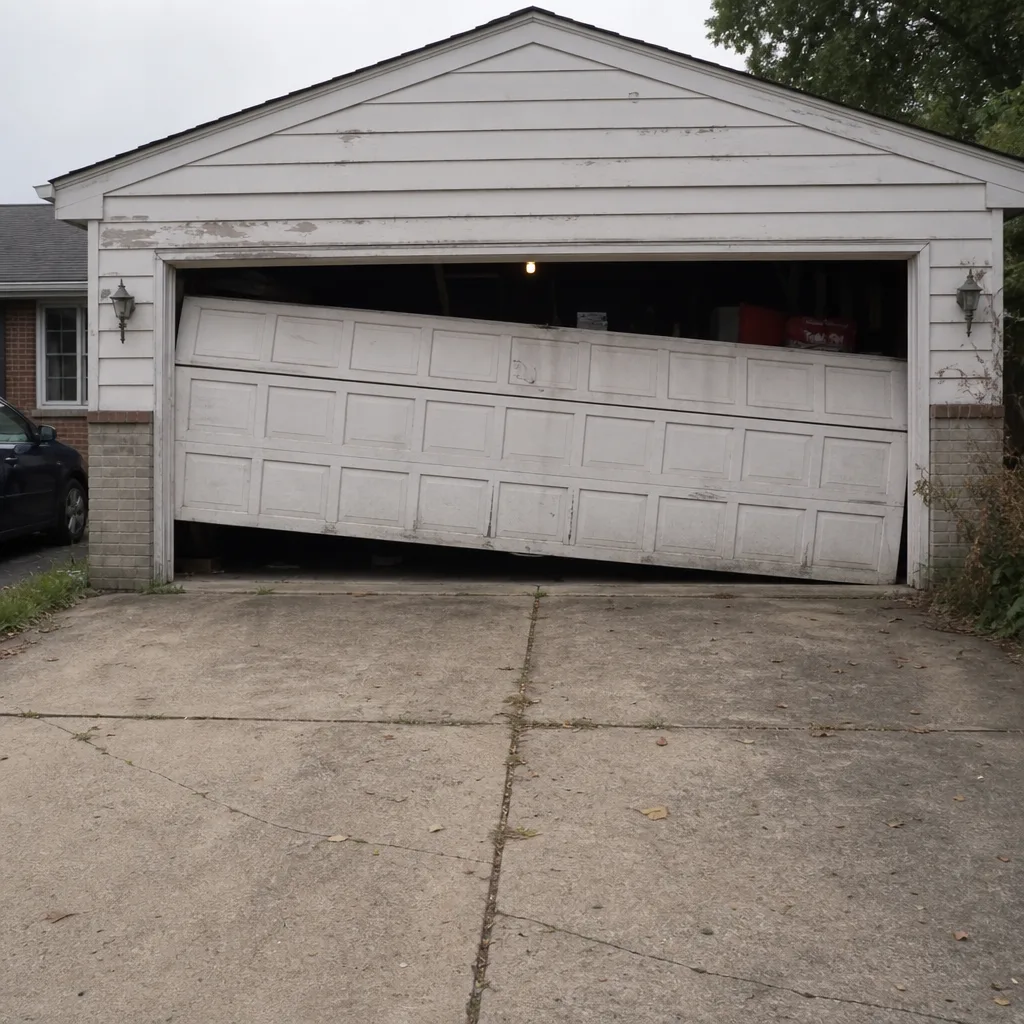 Before
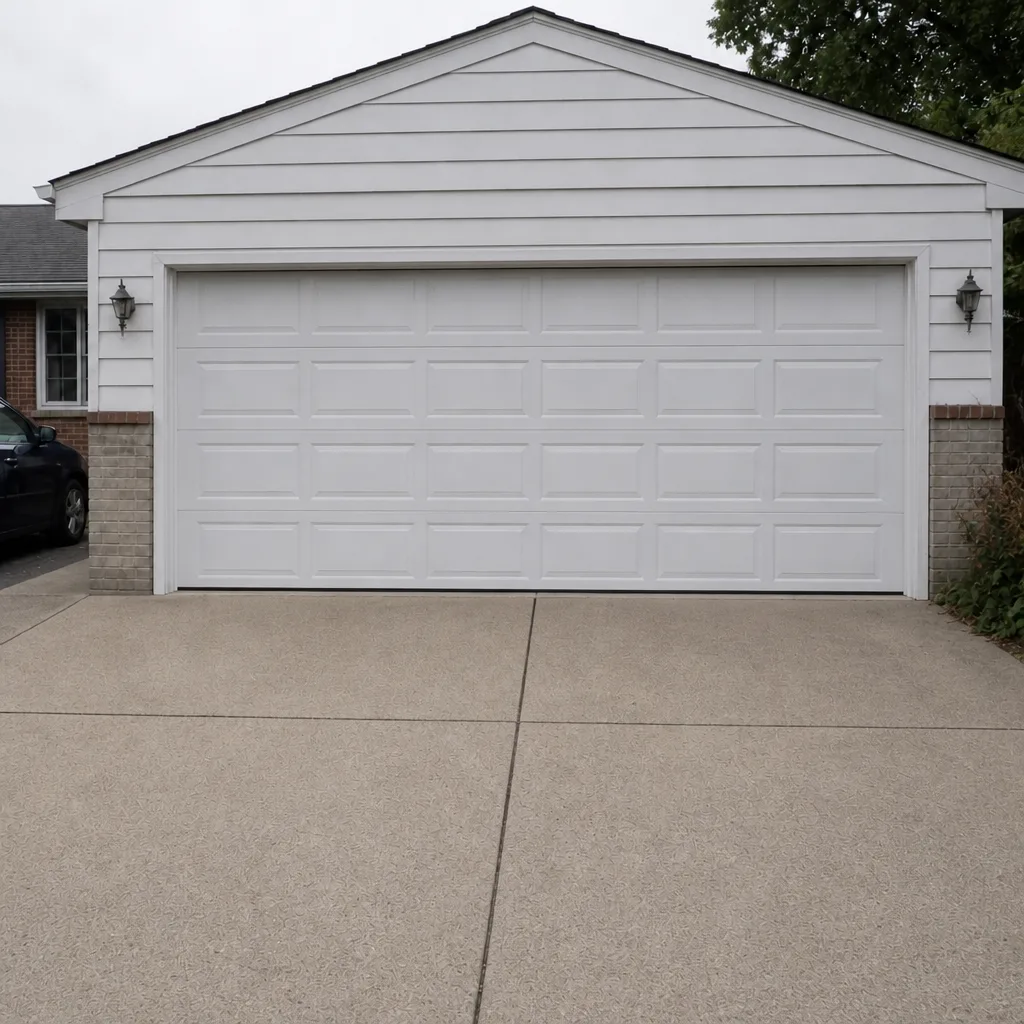 After
 Before
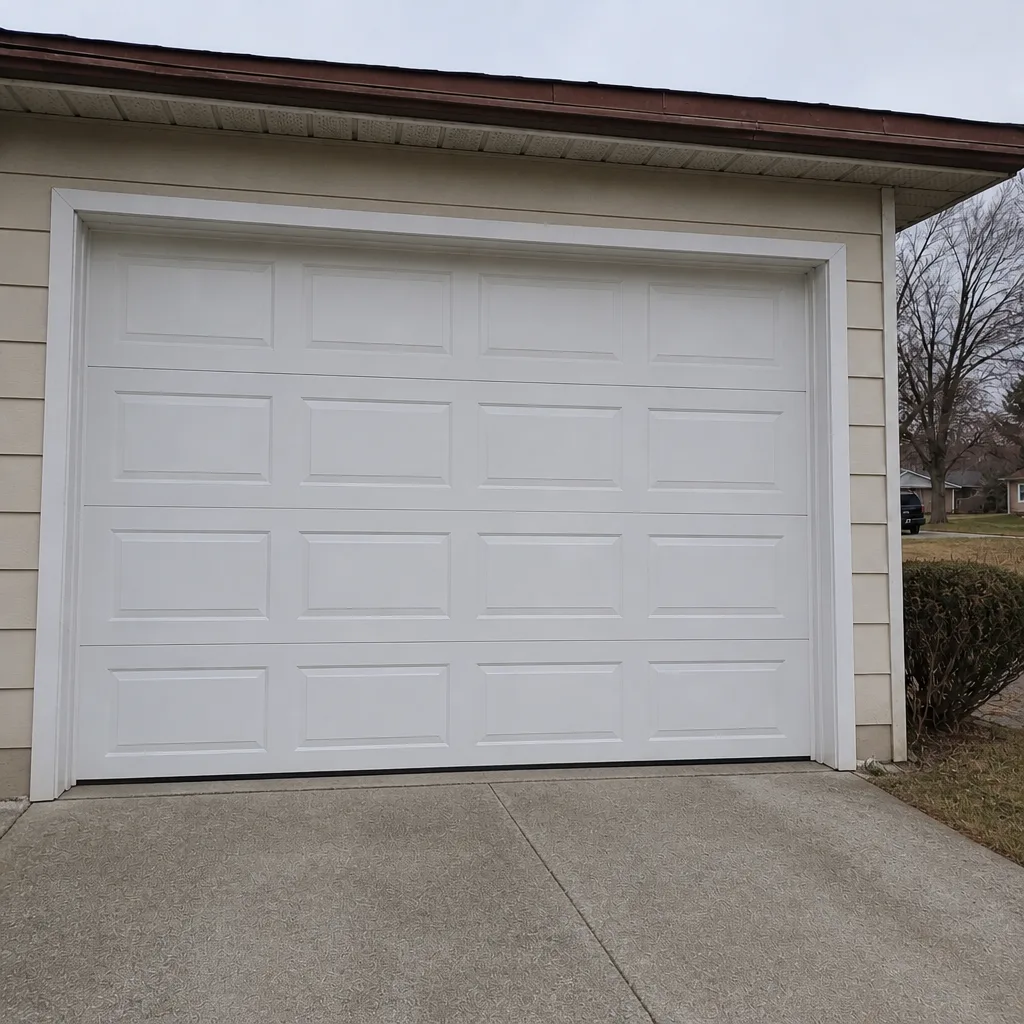 After
 Before
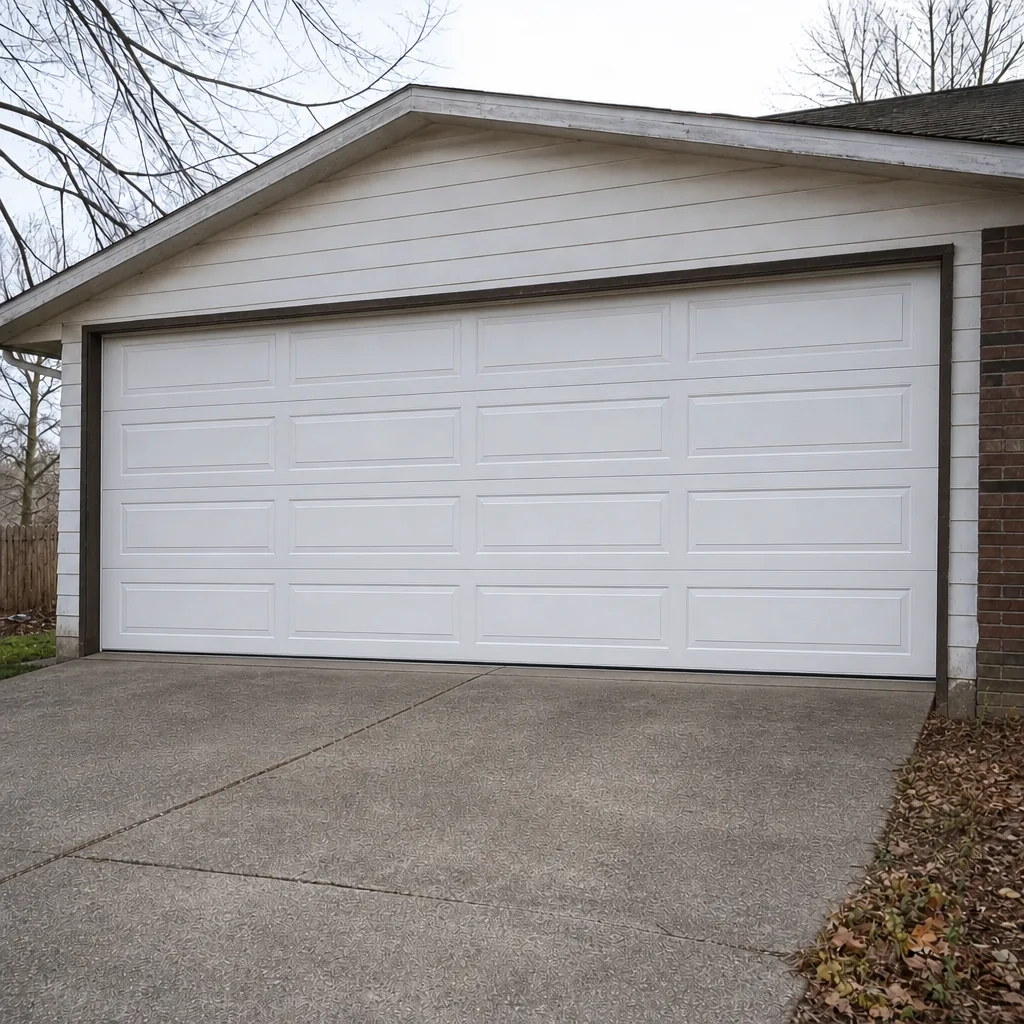 After
When to Call a Professional
Call a professional if the door is stuck open, if a spring or cable has failed, if the door is off its tracks, or if your car is trapped. Those are the situations where a trained technician should take over. Call us sooner if you’re unsure whether the door is safe to leave. Don’t force a door that feels heavy or won’t lift. And don’t try to replace a spring or a cable yourself. Garage Door Repair Ashburn offers free estimates in Ashburn. Call (855) 337-1294. We’re a garage door specialist, not a generalist contractor, and we work on the brand already in your garage. If you’re weighing whether to repair or replace, our Garage Door Repair Ashburn page is a good place to start, and we’re happy to walk through the options with you.
Frequently Asked Questions
Yes, if the door is fully closed first. Pull the red emergency release cord straight down, then lift the door slowly with both hands. Never pull the release while the door is open, because the door can drop or derail a cable. If the door feels too heavy to lift, stop and call.
An emergency is when the door is stuck open and your home isn’t secure, your car is trapped, or a spring or cable has failed and the door is hanging. An urgent repair is a door that’s fully closed and secure but not working, which can often wait until morning at a lower rate. If you’re not sure, call and describe it.
No. You’ll get a written estimate before any work starts, and the written estimate is the price. We quote the job based on what’s actually wrong with the door, and we don’t add charges afterward for work that was already covered in the estimate.
Most likely, yes. We work on LiftMaster, Chamberlain, Genie, Clopay, Amarr, Wayne Dalton, Craftsman, and Raynor, which covers most residential doors and openers in Ashburn. If you’re not sure what brand you have, the label is usually on the door’s bottom section or the opener’s motor housing.
Lubricate the rollers, hinges, and springs with a garage-door-rated lubricant, clear snow from the base of the door, check the bottom seal for wear, and look for signs of spring wear. A fall tune-up covers the rest. The week before the first hard freeze is the best time to do it.
It’s safe for the car, but it’s inconvenient. If your car is trapped and you need it, that’s an emergency and worth calling. If you can wait until morning, the repair can often be done at a lower rate. Don’t force the door to free the car, because that can turn a small repair into a large one.
The Bottom Line
Garage door emergencies in Ashburn follow patterns you can prepare for. Cold snaps, freeze-thaw cycles, and normal part wear cause most of the failures we see. The prep that matters most is simple: lubricate before winter, check for spring wear, keep the door’s base clear, and know how to use the emergency release correctly. When something does fail, sort it into emergency or urgent, don’t force a door with a broken spring, and have the brand and symptoms ready before you call. A little preparation in fall prevents most of the winter calls we get. When you need help, call (855) 337-1294 for a free estimate.
Written by the team at Garage Door Repair Ashburn.