Last updated November 21, 2026
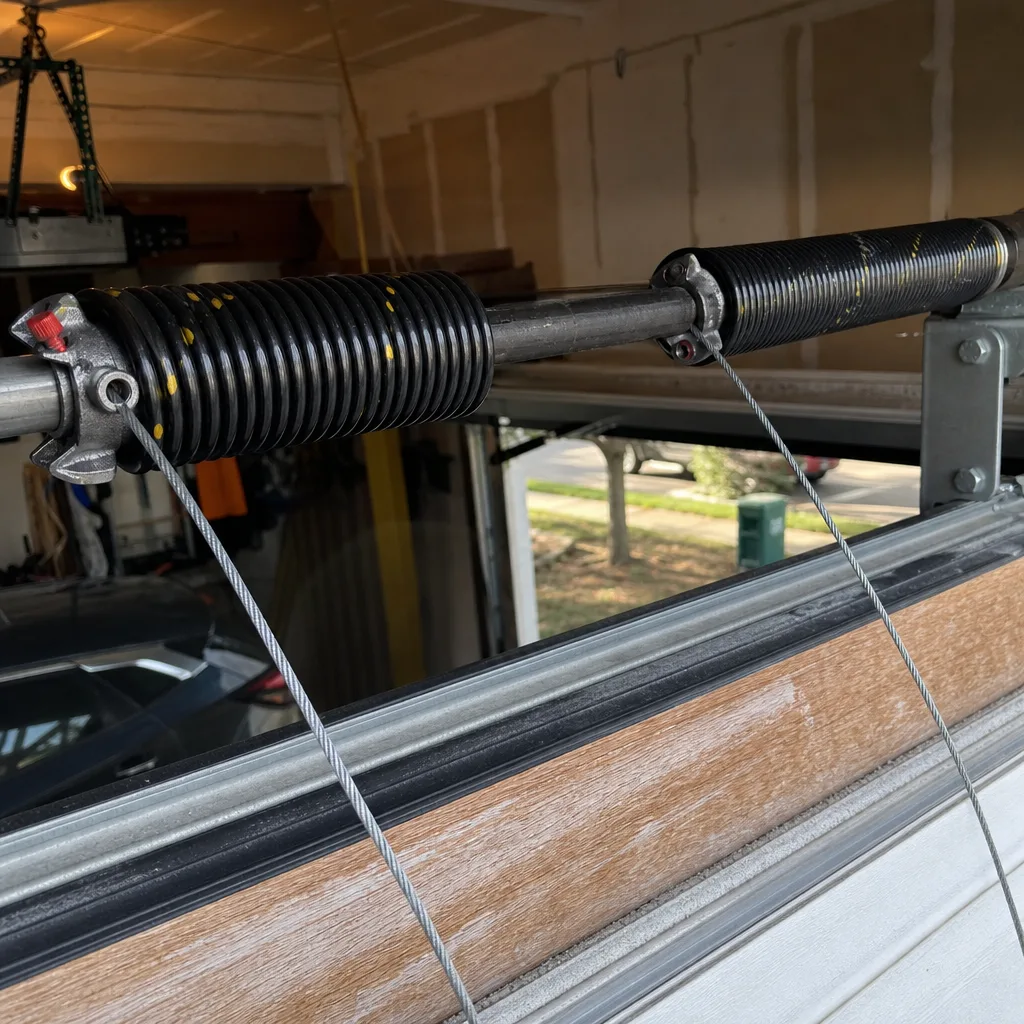
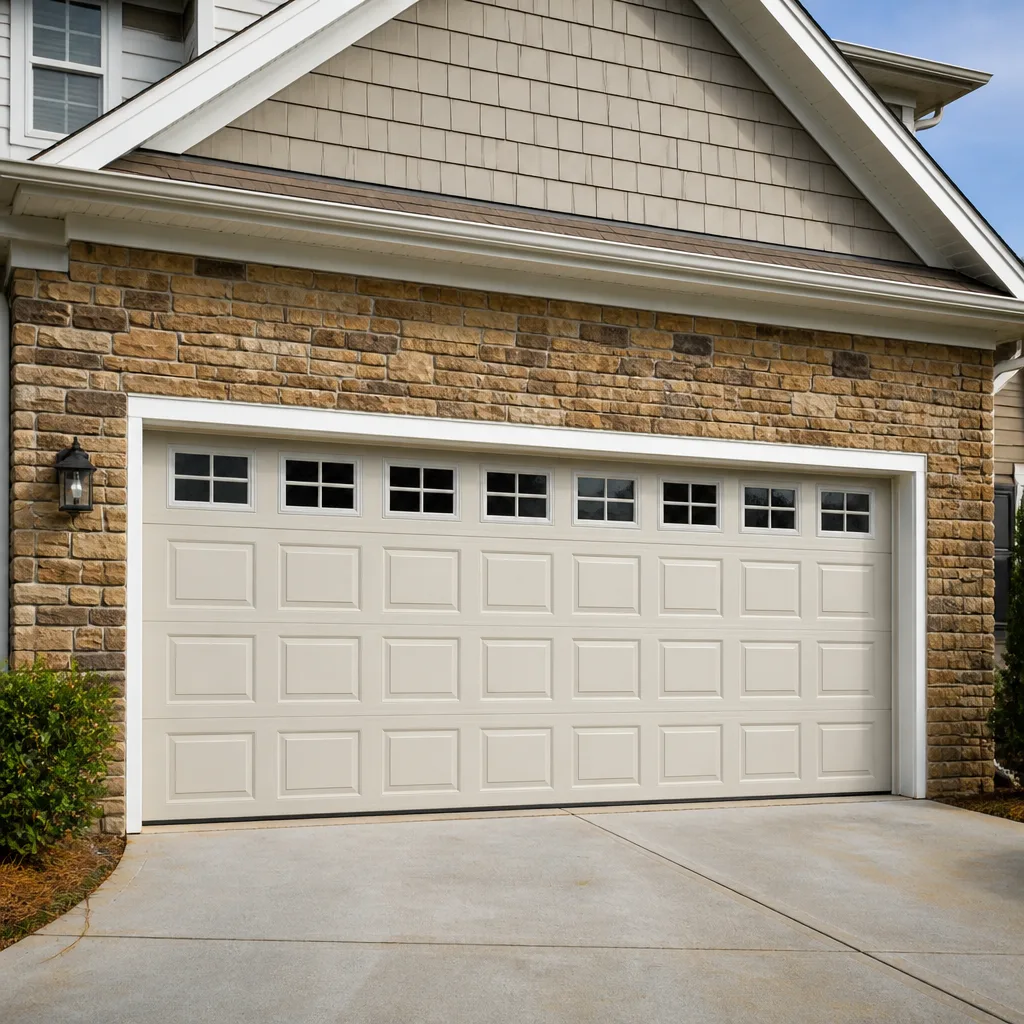 Raised-panel steel
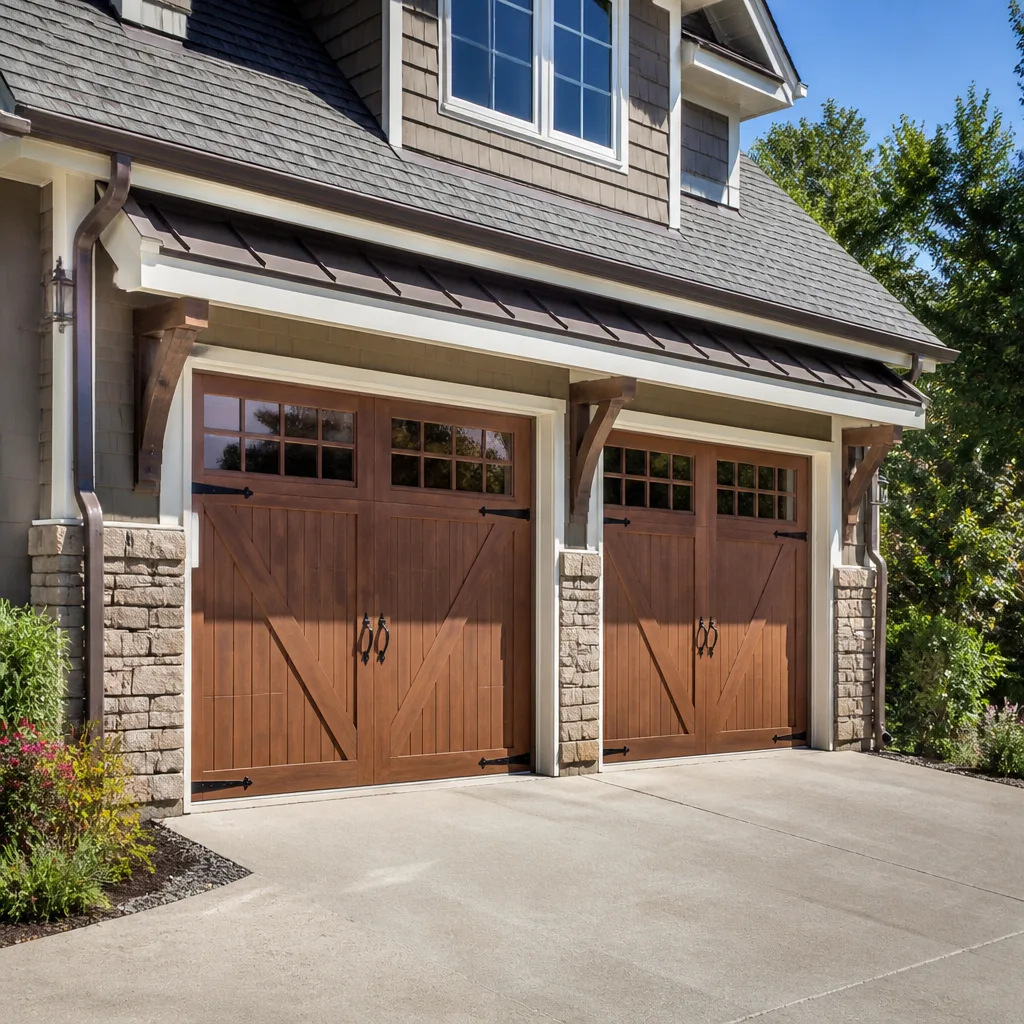 Carriage house
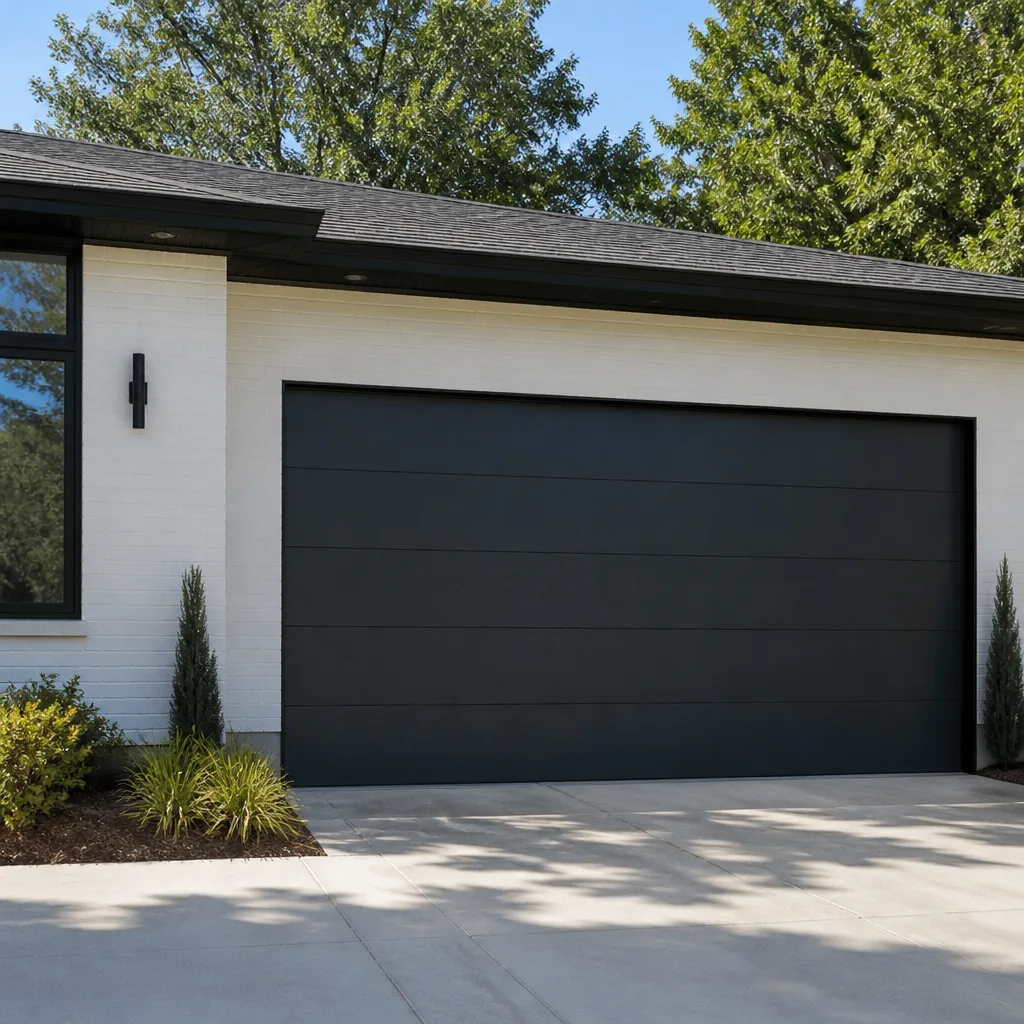 Modern flush
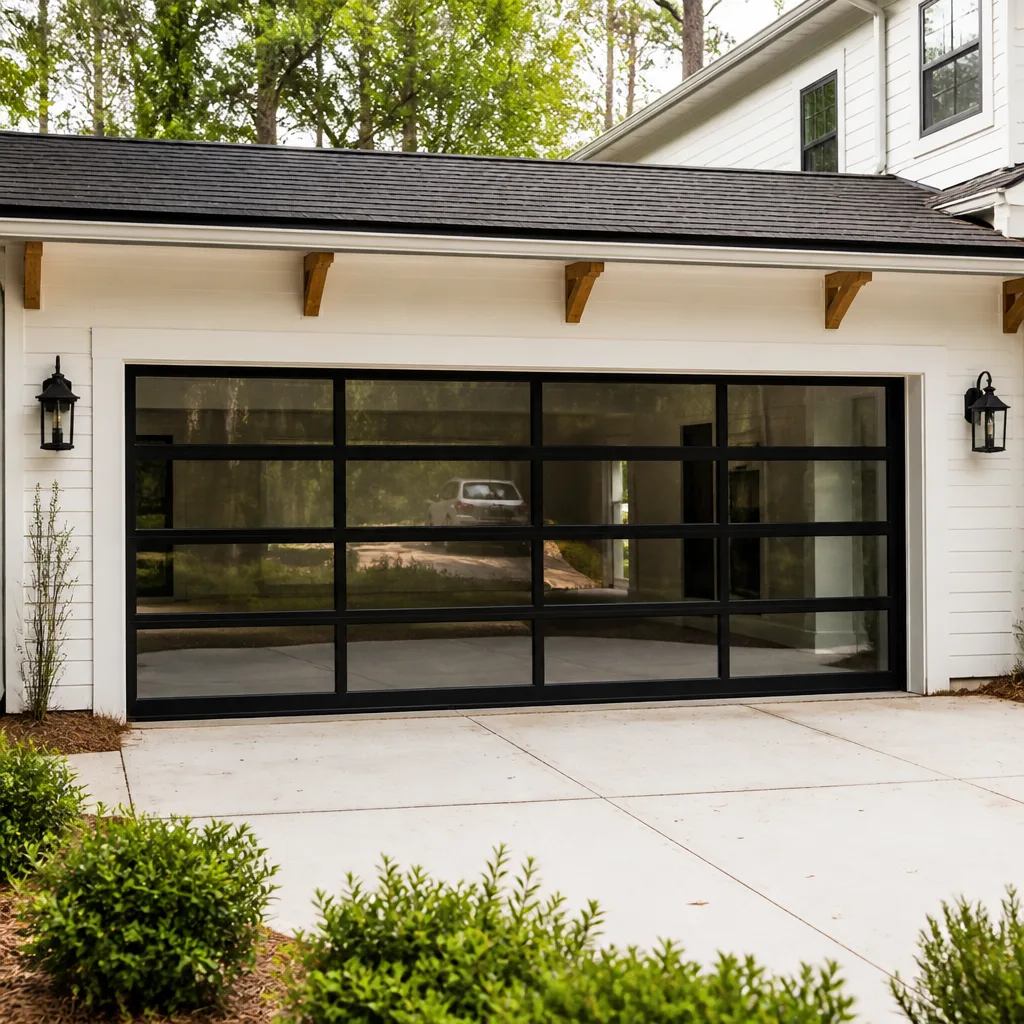 Full-view glass
 LiftMaster openers
 Chamberlain openers
Full 25-point door and opener safety check with every visit - springs, cables, rollers, tracks, and your LiftMaster or Chamberlain opener included
You get a price before we start. It does not change when the pro arrives.
Get your free estimateSeasonal Garage Door Care for Ashburn: Year-Round Homeowner’s Guide
Most homeowners treat garage door maintenance as one chore, done whenever they remember. That’s the mistake. Each season in Ashburn stresses a different part of the system in a different way, and a checklist that ignores that is really just a list of things to forget. The winter call that gets labeled an emergency usually started as an October problem nobody caught: a stiff seal, a dry hinge, a torsion spring already past its limit. This guide maps the failure modes to the months that actually cause them in Ashburn’s climate, so you can catch the cheap fix before it becomes the expensive one.
Quick Answer
Seasonal garage door care in Ashburn means matching the task to the stress: fall prep for freeze-related seal and opener strain, winter handling that protects weatherstripping and the opener motor, spring inspection for torsion spring fatigue, and summer checks for heat-driven lubricant breakdown and track misalignment. A short inspection each season, plus lubrication and hardware checks on a schedule, prevents most of the failures we see in Ashburn every January.
Styles & brands we work with
- Raised-panel steel
- Carriage house
- Modern flush
- Full-view glass
- LiftMaster openers
- Chamberlain openers
Table of Contents
- Fall Prep: The Two Tasks That Prevent Freeze Failures
- Winter: What to Do When the Door Is Frozen Shut
- Spring: Torsion Spring Failure Season
- Summer: Heat, Lubricant Viscosity, and Track Misalignment
- Ashburn Month-by-Month Task Calendar
- Opener Care Across the Year
- Brand-Specific Considerations
- Your Seasonal Inspection Checklist
Fall Prep: The Two Tasks That Prevent Freeze Failures
Fall in Ashburn is a short window. Temperatures swing between mild afternoons and frosty mornings, and that swing is what does the damage. The two tasks that prevent most freeze-related failures are straightforward, and both should happen before the first hard freeze.
Task one: the bottom seal. The vinyl or rubber bottom seal on your door is the piece that keeps cold air, water and pests out. Over years of use it compresses, dries out and hardens. Once it hardens, it no longer flexes. That stiff seal is what freezes to the concrete floor on a cold night. When the opener lifts the door, it either tears the seal from its retainer or strains the motor trying to break the bond. Walk out on a cool morning and look at the seal from the inside with the door closed. If it’s flat, cracked or pulling away at the edges, replace it before winter.
Task two: opener strain. A cold door pulls harder. Metal contracts, springs lose some tension, and every hinge and roller slides less freely than it did in September. If your opener is already near the top of its lifting force, that cold-weather fatigue is what pushes it over the edge into failure. Test it now, while it’s still warm, so a problem shows itself before a cold snap makes it worse.
Two more fall items worth a few minutes:
- Lubricate hinges, rollers, and the torsion spring coils with a garage door lubricant (not WD-40 – a proper lithium or silicone-based product).
- Clear leaves and debris from the door’s travel path and check that the safety sensors are aligned and free of cobwebs.
We work on doors across Ashburn built with Clopay, Amarr, Wayne Dalton and Craftsman panels. The fall prep is the same regardless of make. What changes is the seal profile and the retainer style, and that’s where matching the right part matters.
Winter: What to Do When the Door Is Frozen Shut
A frozen garage door needs patience, not force. The single worst thing you can do in sub-zero weather is to hit the opener and keep cycling it while the seal is stuck to the floor. That’s how weatherstripping gets destroyed and how opener motors burn out. Here’s the safe sequence.
- Disengage the opener using the manual release cord (the red handle). This takes the motor out of the equation entirely.
- Inspect the seal at floor level. If it’s bonded to the concrete, that’s the freeze point, not the door mechanism.
- Break the ice bond with a plastic scraper or, if needed, a gentle dose of warm (not hot) water along the seal edge. Hot water can crack frozen concrete and shock the seal.
- Once loosened, lift the door by hand. Manual lifting tells you whether the door is binding or whether it was only the seal holding it.
- Reengage the opener only after the door moves freely by hand.
If the door lifts freely by hand but the opener grinds or stops, the problem isn’t ice. That’s a motor or limit-switch issue, and it needs a professional look.
Every winter, Ashburn gets stretches where the temperature drops well below freezing and stays there. During those stretches:
- Check the seal line for moisture before you go to bed on a cold night. A wet seal at dusk becomes a frozen seal by morning.
- Keep the opener’s sensitivity and force settings where they are. Cranking up the force to overpower a cold door is a common mistake that leads to motor failure.
- If your opener is older, be extra cautious. Weak motors fail fastest in winter.
When the problem is the opener itself, we handle garage door opener repair and can diagnose the issue the same day weather allows.
Spring: Torsion Spring Failure Season
Spring is when torsion springs fail most often in Ashburn, and the reason is thermal. Torsion springs are steel coils under extreme tension. Through winter they sit in the cold, contracted and slightly stiffer. As spring temperatures rise, the coils expand, the metal flexes, and that cycling after a cold season is what breaks springs that were already near their limit.
Warning signs that your torsion spring is about to fail:
- A loud bang from the garage, often loud enough to alarm the whole house.
- The door won’t lift or feels impossibly heavy by hand.
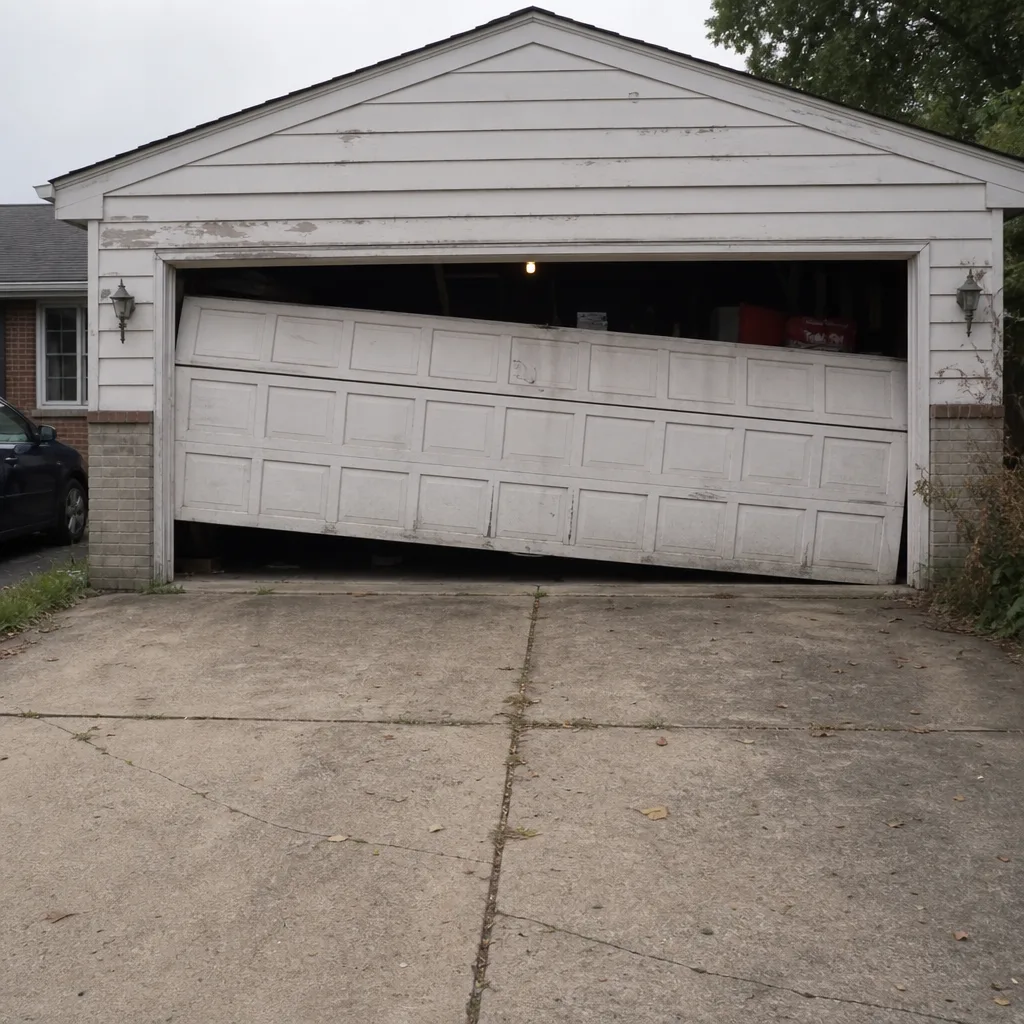
- The door looks crooked or off-balance at one side.
- A visible gap in the coil where the spring has snapped.
- The opener runs but the door doesn’t move.
Springs are one of the most dangerous parts of any garage door system. A torsion spring under load can cause serious injury if handled incorrectly, and we strongly advise against any DIY attempt. Springs are wound under enormous tension, and the tools used to release and rewind them are not household items. If you suspect a broken spring, keep everyone away from the door, leave it closed, and call a professional.
Our technicians have up to 10 years of experience with spring repair, and we carry a full stock of replacement springs for the brands already in Ashburn garages. garage door repair for spring issues usually happens same-day, weather and parts availability permitting.
Spring is also a good time to inspect the door’s balance. Disconnect the opener, lift the door halfway by hand, and let go. A properly balanced door should stay put. If it slams down or drifts up, the springs are no longer doing their job.
Summer: Heat, Lubricant Viscosity, and Track Misalignment
Summer heat creates its own set of garage door problems in Ashburn. Two are worth knowing about.
Lubricant viscosity. Garage door lubricant is formulated to work across a temperature range, but heat thins it. When it thins too much, it drips off the hinges and rollers and leaves the metal dry. Dry metal grinds. You’ll hear it before you see it, a squeak or a growl on every cycle. In summer, check your hinges and rollers monthly and reapply lubricant if the metal looks dry or you hear noise. This is a five-minute task that prevents premature wear on the whole system.
Track misalignment from expansion. Metal tracks expand in summer heat. On a hot day, a track that sat flush all winter can bow slightly, and even a few millimeters of misalignment causes the door to rub, bind or come off its rollers. Check the tracks by running a finger along the inside edge of each vertical and horizontal track. If you feel a bend or a kink, that’s the source of a rough-running door.
Other summer checks worth doing:
- Look at the rollers. Worn nylon rollers are quiet; worn steel rollers are noisy. Replace noisy steel rollers before they damage the track.
- Check the door’s balance (the same test as spring). Heat can also affect spring tension.
- Lubricate the torsion spring coils with a dedicated lubricant, not grease.
If your door needs major repair or you’re considering a replacement, summer is the time to plan it. New doors and track realignment need a proper measure and a scheduled visit. For garage door installation, we schedule a free measure and give you a written price before any work begins.
Ashburn Month-by-Month Task Calendar
Here’s the Ashburn-specific schedule we recommend. It’s built around actual seasonal temperature patterns in the area, not a generic Midwest template. Ashburn winters are cold enough to freeze seals and springs, and summers run hot enough to thin lubricant and move tracks. The month labels below reflect that reality.
- January: Highest-demand month for emergency calls. Check the seal after every cold night. Don’t force a frozen door. Watch the opener for strain.
- February: Continue cold-weather habits. Inspect the seal for cracking or tears once a week.
- March: First spring inspection. Look for broken torsion springs and test the door’s balance.
- April: Lubricate all hinges, rollers and springs. Check the tracks and the rollers.
- May: Full system check: opener, sensors, seal, balance.
- June: Begin summer lubricant checks. Test the tracks after the first big heat wave.
- July: Reapply lubricant if needed. Inspect tracks for expansion movement.
- August: Check rollers for wear. Test balance again as heat affects spring tension.
- September: Fall prep begins. Replace any worn or stiffened bottom seal.
- October: The key maintenance month. Lubricate everything, test the opener under load, align sensors, and confirm the door isn’t binding.
- November: Final pre-winter check. Confirm the seal is intact and the opener is running without strain.
- December: Winter routine. Watch for frozen seals.
If October’s prep is done properly, January’s emergencies drop off sharply. That’s the whole logic of seasonal care. The work you do in the quiet months is what prevents the emergency calls in the busy ones.
Opener Care Across the Year
Your opener is a motor, and every seasonal shift changes how hard it works. The single best thing you can do for its lifespan is reduce the load it carries, and that comes back to the door itself. A well-balanced, properly lubricated door is easy on any motor. A dry, heavy, misaligned door is not.
Year-round opener care basics:
- Test the safety reverse monthly. Put a piece of wood or a small object under the door and cycle it. The door should reverse on contact.
- Check the sensors. If the door reverses for no reason, the sensors are usually the culprit.
- Clear any debris from the track and the photo-eye lens.
- Listen for grinding or straining, especially in winter and summer. Those are the seasons when opener problems surface.
We work on the opener brands already in Ashburn garages, including LiftMaster, Chamberlain, Genie, Craftsman and Raynor. If your opener is a brand you can’t identify, that’s fine. Our technicians arrive familiar with the common systems and can diagnose the issue on site. We also supply parts directly, so we’re not waiting on a third-party vendor to ship a replacement. Garage Door Repair Ashburn covers repair, opener work, springs, parts and installation without handing you off to anyone else.
Brand-Specific Considerations
Seasonal care basics are universal. The parts and the failure points aren’t. Here’s what we watch for with the brands we stock and service.
Clopay and Amarr. These are common panel and sectional brands in Ashburn homes. Their weatherstripping profiles vary by model, and getting the correct bottom seal is important. A universal seal that doesn’t match the retainer won’t seal properly and will be the first point of failure in winter.
Wayne Dalton. Some Wayne Dalton models use a different track and hinge structure. The rollers and hinges are specific, which is why we keep parts for these on hand. A generalist who tries to fit a universal replacement often makes the problem worse.
Craftsman. Craftsman openers are widely installed in homes across Ashburn. Parts are available, but an aging Craftsman may be working harder than it should. Keep the door balanced and let the motor do less work.
If you’re not sure what brand or model you have, check the label on the door’s end stile or the opener’s motor housing. If there’s no label, we can identify it on site. That familiarity is why we can diagnose faster than a general contractor or a big-box installer who meets your door for the first time.
Your Seasonal Inspection Checklist
Here’s a complete step-by-step list you can run through each season. Work carefully, and never attempt to adjust springs. Inspect only.
- Stand inside the garage and look at the door from a distance. Is it straight, or does it look slumped at one side?
- Open and close the door once. Listen for squeaks, grinding, pops, or uneven movement.
- Disconnect the opener and lift the door by hand. It should move freely and stay in place when you let go.
- Inspect the bottom seal. Look for cracks, tears, stiffening, or separation from the retainer.
- Run a finger (carefully) along the inside of each track. Feel for kinks, bends or rough spots.
- Check the rollers. Any heavy wear, flat spots or noise?
- Examine the hinges. Look for loose screws, rust or worn pivot points.
- Look at the torsion spring (do not touch). A visible gap means the spring has failed.
- Test the opener’s safety reverse and sensor alignment.
- Lubricate the moving metal parts (not the tracks – they stay clean and dry).
Any item that fails or feels wrong is worth a professional look. Identifying a problem early in Ashburn means a small repair instead of a large one.
Common Mistakes to Avoid
- Greasing the tracks. Garage door tracks are meant to stay clean and dry. Lubricant in the tracks attracts dust and causes binding. Keep lubricant on hinges, rollers and springs only.
- Forcing a frozen door. Cycling the opener repeatedly on a frozen seal is the fastest way to burn out a motor or tear weatherstripping. Disengage the opener and break the ice first.
- Overpowering a cold door with higher force settings. Raising the opener’s force setting to overcome a cold door can damage the door and the motor. Fix the cause instead.
- Ignoring a stiff seal in October. A seal that stiffens in fall freezes in winter. Replacing it in October prevents January problems in Ashburn.
- DIY spring work. Torsion springs are under extreme tension. Attempting to adjust or replace them yourself is genuinely dangerous. Call a professional.
- Assuming a brand can’t be serviced. Homeowners often hold off on a repair because they think their model is obsolete. We stock parts for all the major brands, including Wayne Dalton and Craftsman, so that’s rarely the obstacle.
- Ignoring slow seasonal changes. A door that’s slightly slower, slightly noisier or slightly less even than last year is telling you something. Catch these things early and the repair stays small.
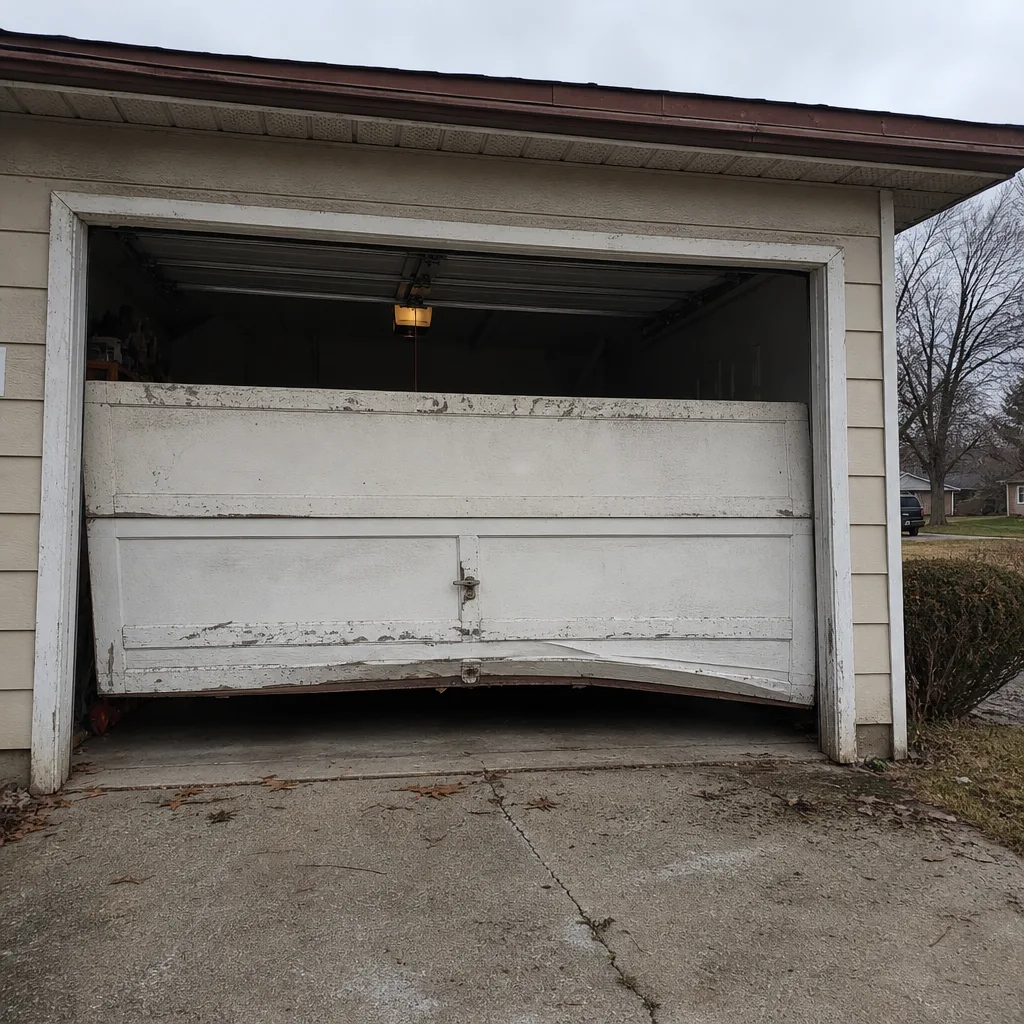
See the difference
 Before
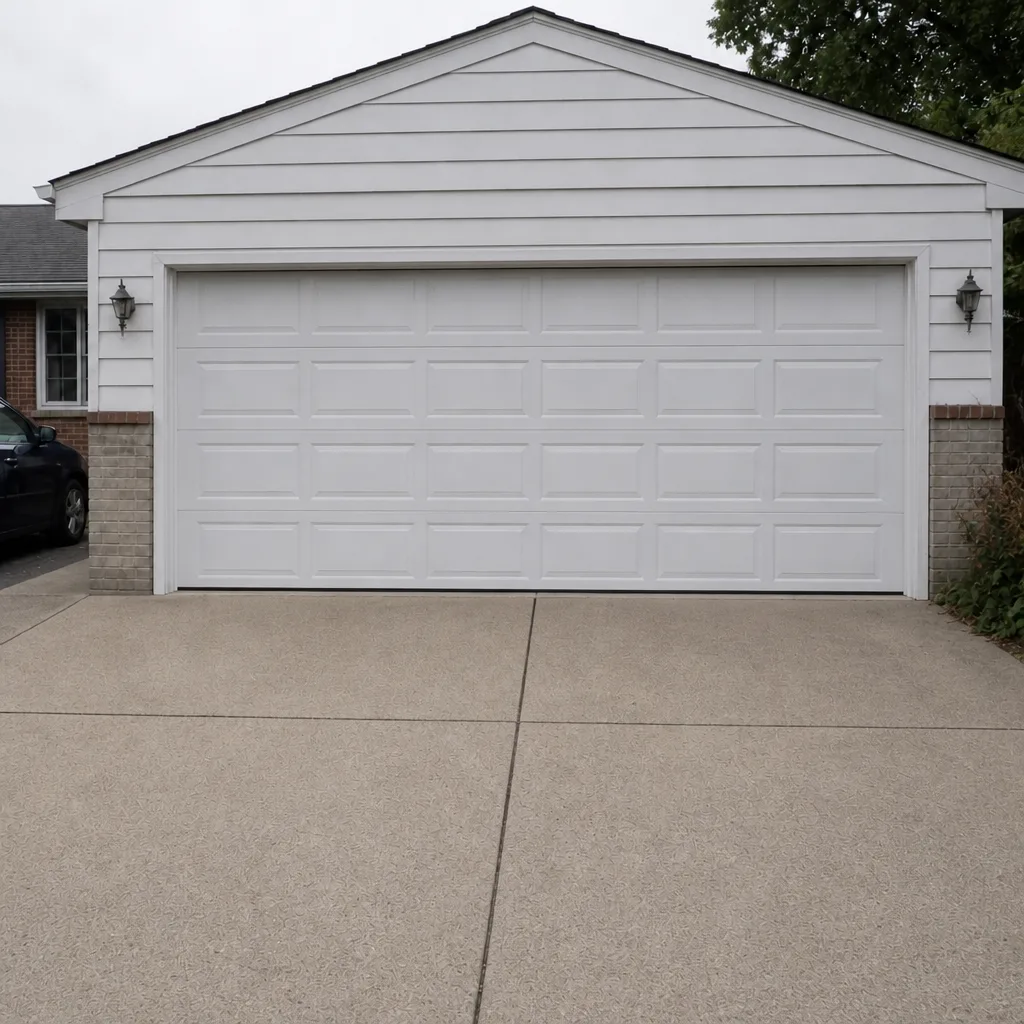 After
 Before
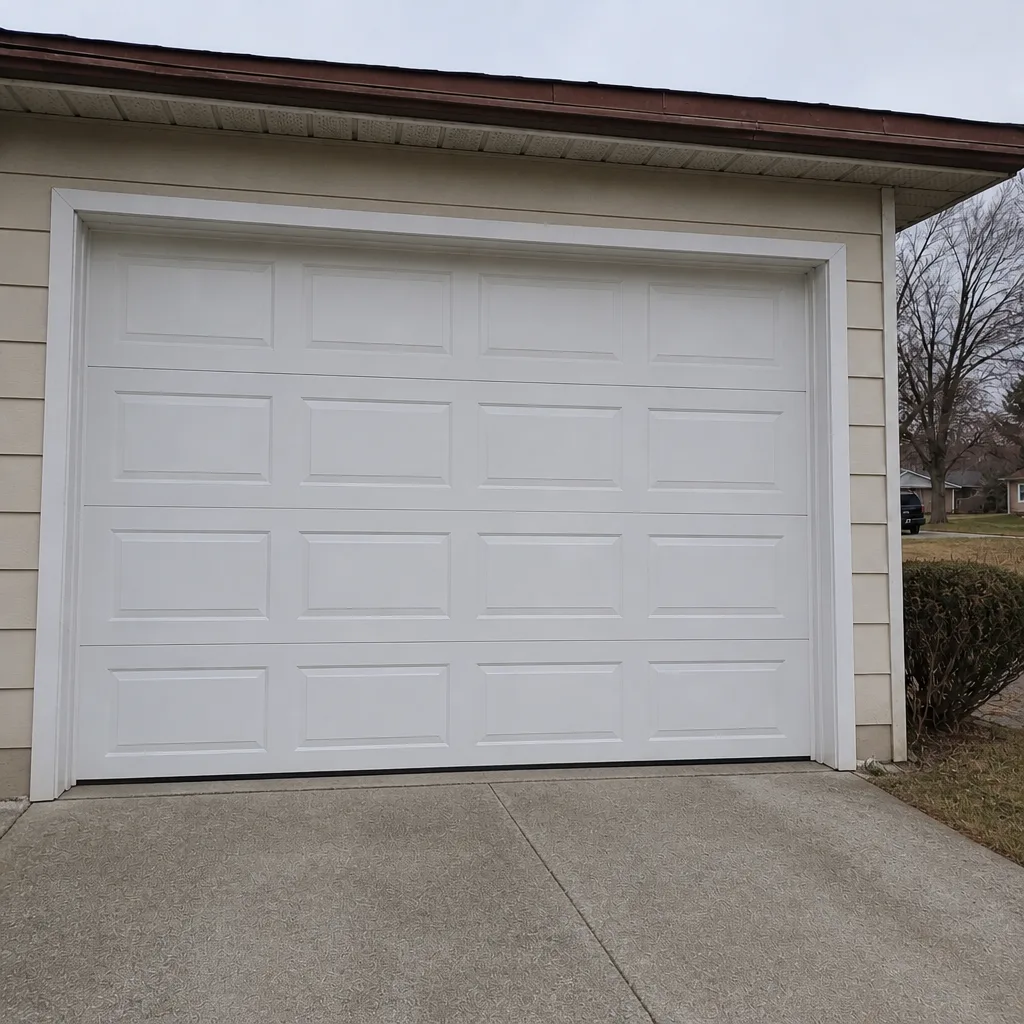 After
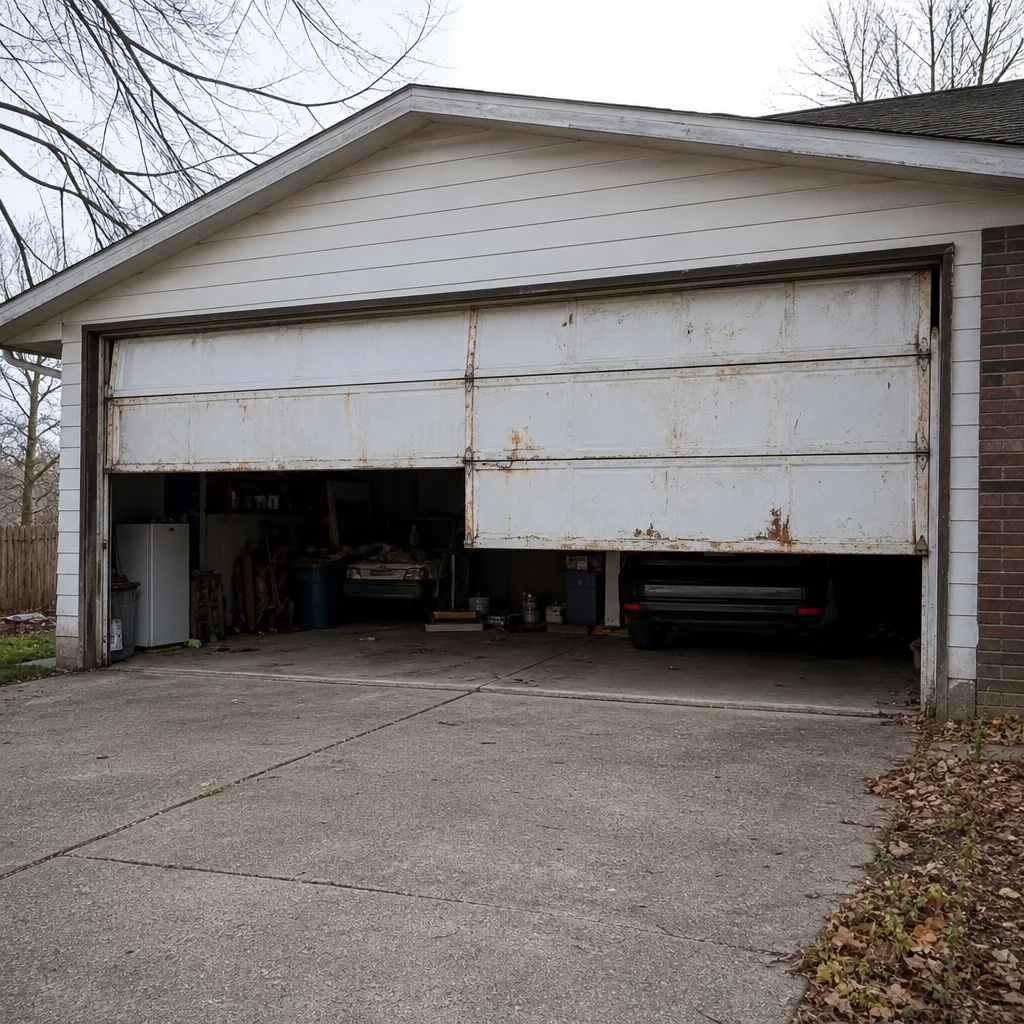 Before
 After
When to Call a Professional
Call a professional when the problem involves springs, cables, the opener motor, or a door that won’t stay on track. These are the areas where attempting a repair can cause real injury or make a small problem worse. Call immediately if you hear a loud bang, if the door won’t lift, or if it looks crooked or off-balance. Catching a worn seal or a dry hinge in time is a homeowner job. Anything under tension or under load: leave it to a technician. Garage Door Repair Ashburn offers free estimates in Ashburn – call (855) 337-1294. Our technicians have up to 10 years of experience, and because we stock parts directly, most repairs are done the same day. The price is quoted and agreed before any work starts.
Frequently Asked Questions
October prep is the single most important task. Replacing a stiff or cracked bottom seal, lubricating all moving parts, and confirming the door is balanced before winter prevents the freeze-related seal failures and opener strain that cause most January emergency calls in Ashburn. Everything else on the calendar supports that one month.
Torsion springs break more often in spring because of thermal cycling. The steel coils sit cold and slightly contracted through winter, then expand as temperatures rise. That seasonal flexing, combined with regular use, pushes springs that are already near the end of their life past their limit. If you hear a bang and the door won’t lift, stop, keep away, and call a professional.
No – disengage the opener first. Pull the manual release cord, then break the ice bond along the bottom seal with a plastic scraper or warm (not hot) water. Once the seal is free, lift the door by hand. Only reengage the opener after the door moves freely. Forcing a frozen door with the opener is what destroys weatherstripping and burns out motors.
Yes, in most cases. We stock and service LiftMaster, Chamberlain, Genie, Clopay, Amarr, Wayne Dalton, Craftsman and Raynor. If you’re not sure what brand you have, we can identify it on site. Call (855) 337-1294 for a free estimate.
Lubricate the hinges, rollers and springs once a season and any time you hear squeaking or grinding. In Ashburn’s summer heat, lubricant thins and can drip off, so check monthly through June, July and August. Never lubricate the tracks – they stay clean and dry.
Yes. Summer heat thins garage door lubricant, which leaves moving parts dry and causes grinding and premature wear. Heat also causes metal tracks to expand, and even a slight bow in a track can make the door bind or come off its rollers. A quick monthly check during hot months catches both issues early.
No – the written quote you agree to sets the price. We give you a written estimate before any work starts, and that price stands. Call (855) 337-1294 for a free estimate in Ashburn.
The Bottom Line
Seasonal garage door care in Ashburn isn’t four repeats of the same checklist. It’s a schedule built around real failure modes: fall prep to prevent freeze damage, winter handling to protect your seal and opener, spring inspection for torsion spring failure, and summer checks for heat-related lubricant and track problems. Do the small work in October and the emergency calls in January mostly don’t happen. If something on your checklist fails, don’t force it – call a professional, especially for springs, cables or opener problems. Call Garage Door Repair Ashburn at (855) 337-1294 for a free estimate. Our technicians have up to 10 years of experience, we work on the major brands already in your garage, and we stock parts directly so fewer jobs wait on a supplier. There’s no handoff to another company and no work started until you’ve agreed to a written price.
Written by the team at Garage Door Repair Ashburn.