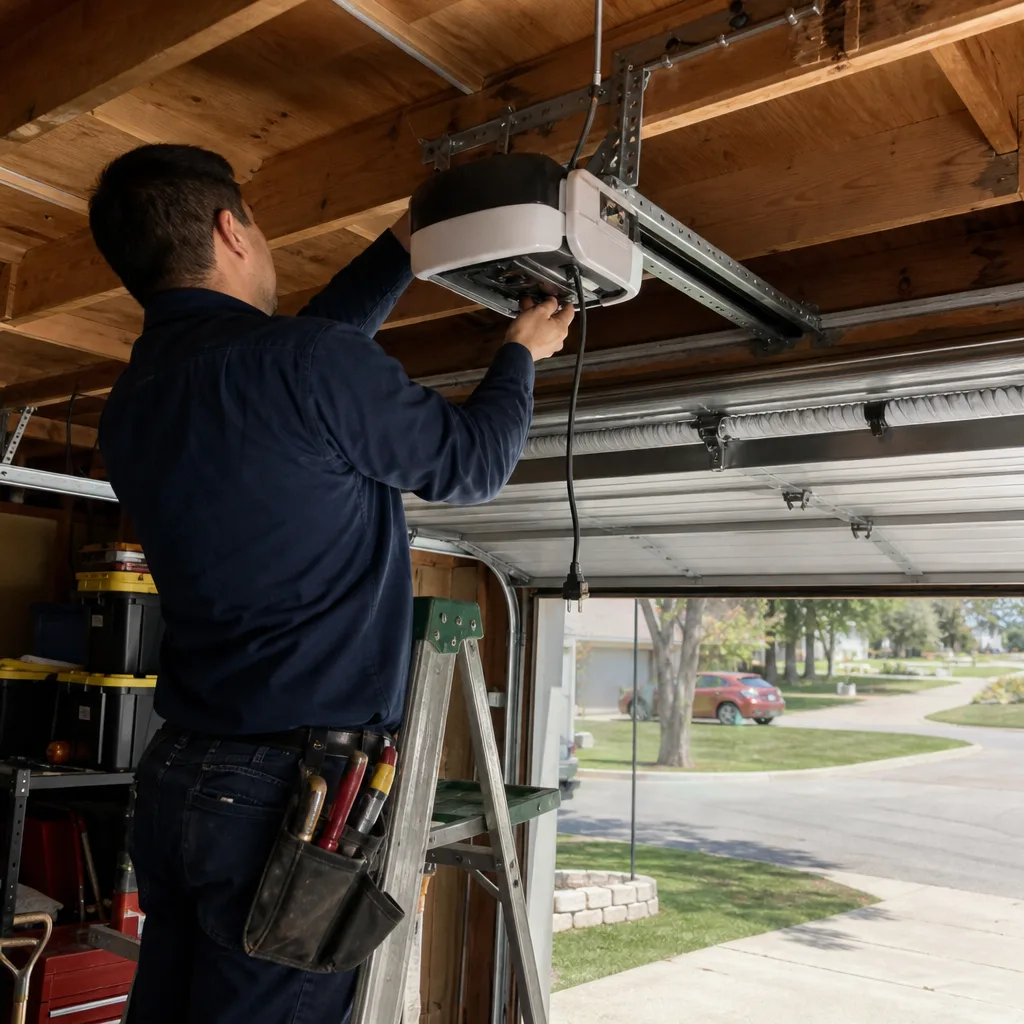
Last updated November 21, 2026
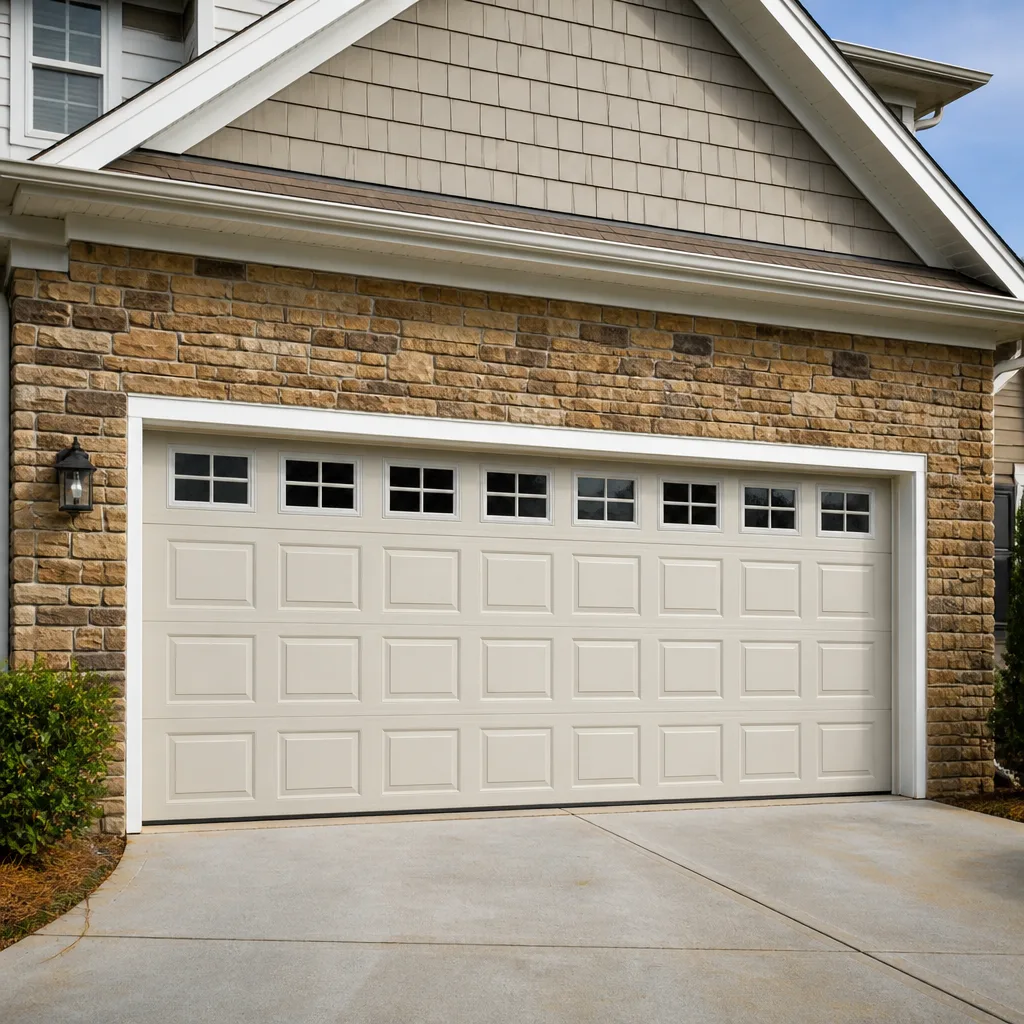 Raised-panel steel
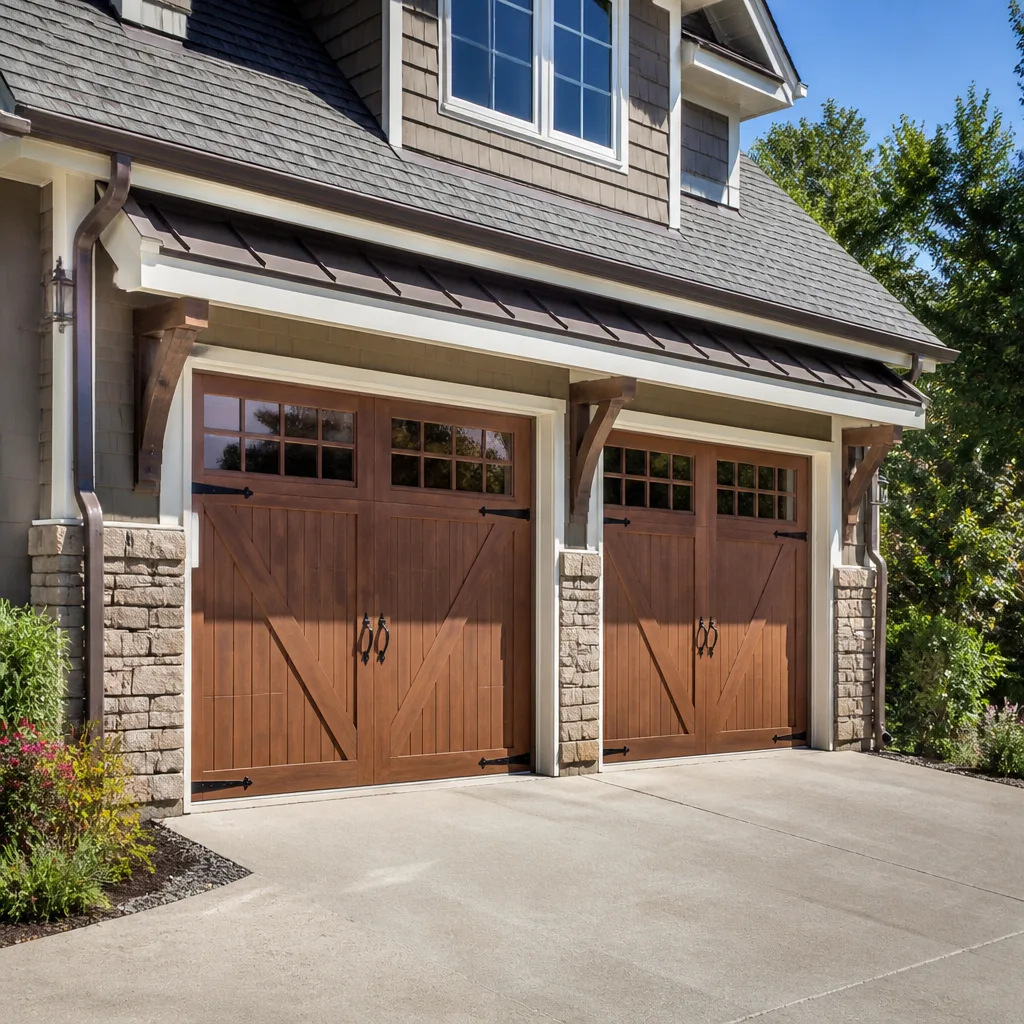 Carriage house
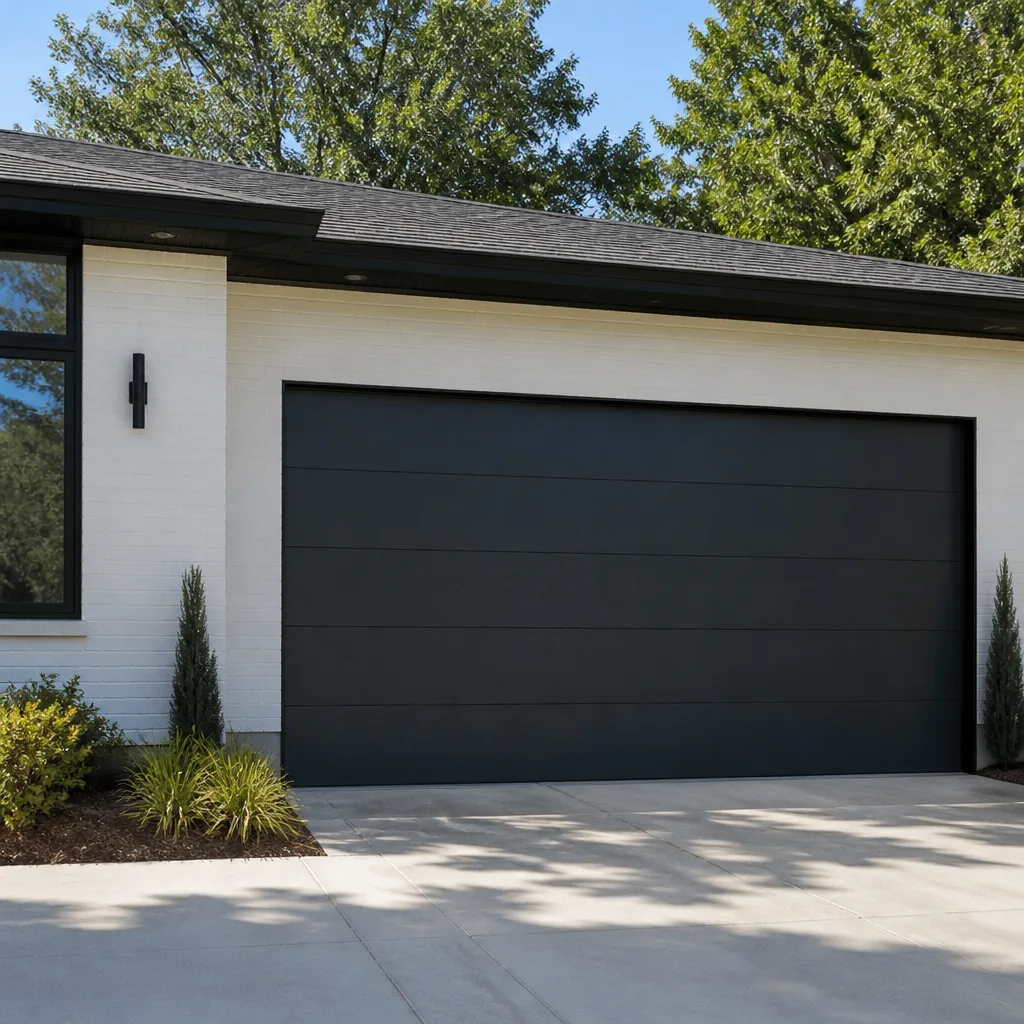 Modern flush
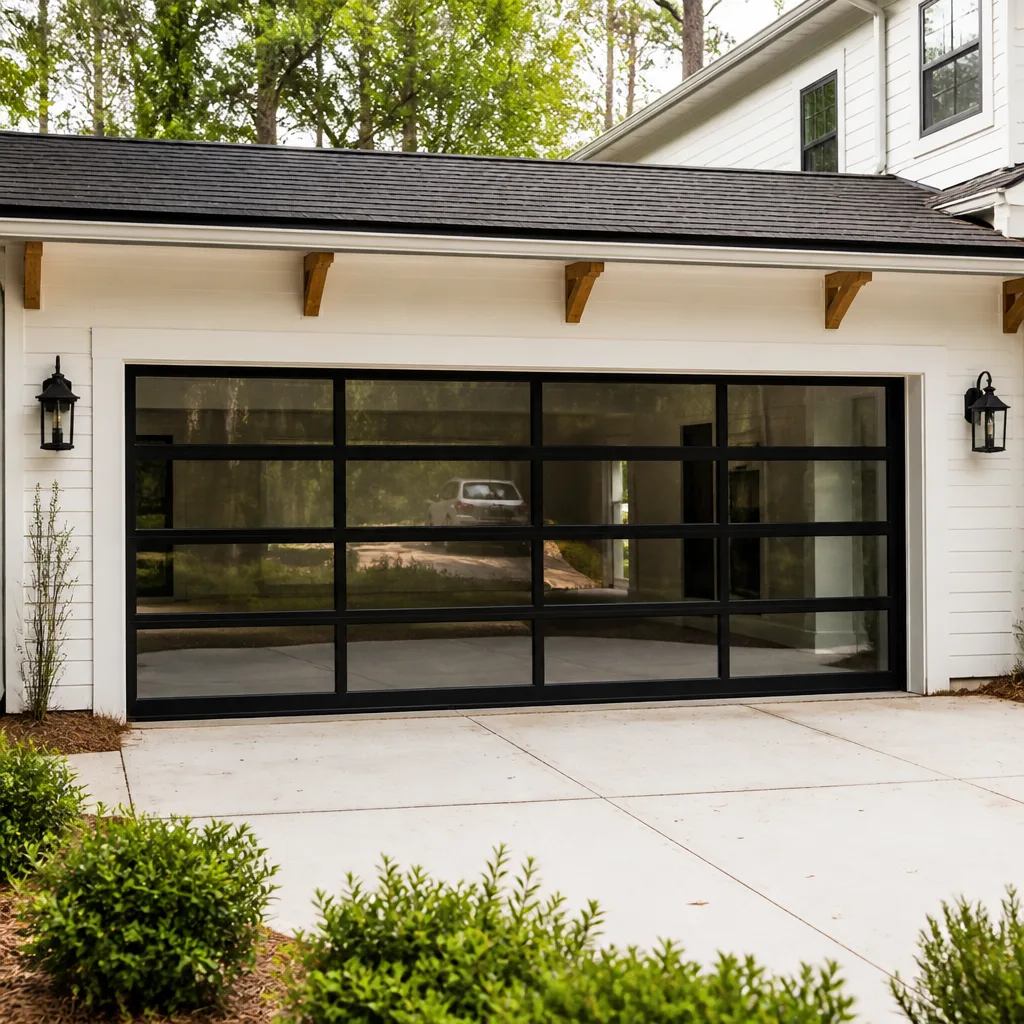 Full-view glass
 LiftMaster openers
 Chamberlain openers
Full 25-point door and opener safety check with every visit - springs, cables, rollers, tracks, and your LiftMaster or Chamberlain opener included
You get a price before we start. It does not change when the pro arrives.
Get your free estimateGarage Door Repair Maintenance Checklist for Ashburn Homeowners
A garage door that fails usually gave you warning. Not a dramatic one – a sound that changed, a panel that started to catch, a door that began to stop an inch short of the floor. Most of the breakdowns that get labeled sudden show at least two warning signs in the month before they happen, and almost all of them live in parts nobody looks at until something breaks. A general checklist that says “lubricate moving parts” won’t catch much, because it doesn’t tell you which part, what it should feel like, or when it has already gone bad. This guide fixes that. We’ll go component by component through an Ashburn garage door, name the specific products that belong on each one, give you pass/fail criteria you can judge by eye, and separate the checks that are safe for you from the ones that will hurt you.
Quick Answer
A proper garage door maintenance checklist for an Ashburn home covers eight things: panel and hardware tightness, roller condition and alignment, hinge wear, track plumb and gap, lift cable condition, spring balance and cycle behavior, weather seal contact, and the door’s balance and travel. Inspect twice a year, in fall before the first freeze and again in spring. Lubricate rollers, hinges, and the opener rail with a lithium- or silicone-based garage door lubricant, never WD-40. Torsion spring work, cable replacement, and any adjustment under tension are not homeowner tasks and should go to a trained technician.
Styles & brands we work with
- Raised-panel steel
- Carriage house
- Modern flush
- Full-view glass
- LiftMaster openers
- Chamberlain openers
Table of Contents
- Component-by-Component Inspection Criteria
- What You Can Safely Check vs. What Can Injure You
- Lubrication by Component: Why WD-40 Is the Wrong Tool
- Seasonal Timing: Fall Priorities and Spring Priorities
- The Balance Test and What It Tells You About Your Springs
- How to Document Condition Over Time
- Brand-Specific Notes for Ashburn Systems
- Cost of Professional Tune-Up and Repair in Ashburn
Component-by-Component Inspection Criteria
Each check below has a measurable pass or fail. “Looks fine” isn’t a criterion. Here’s what to actually judge.
Panels and Hardware
Stand outside with the door closed and look across the face of the door from a low angle. Panels should be flush and the horizontal seams should be straight. Any dent, buckle, or inward crease fails. Look at the bolts and lag screws through the hinges and the center stile – they should be snug, with no movement when you push on the hinge by hand. Backed-out lag screws are one of the most common failures we see on Ashburn doors, because the wood or metal backing behind the hinge gets elongated over years of cycling.
Rollers
Rollers should spin freely in their stems and show no flat spots, chips, or visible bearing wobble. Nylon rollers will develop a visible hairline crack along the hub before they fail; steel rollers will show a flat worn spot where they’ve stopped rolling and started sliding. Any roller that doesn’t spin with a finger flick has failed. Check all ten to twelve of them, not the two that are easy to reach.
Hinges
Open the door to about waist height and look at the hinge knuckles. You should see no black dust, no rust weeping from the pin, and no visible crack across the leaf. Wear in a hinge shows as metal-on-metal scuffing at the pin, and it usually starts at hinge number two from the bottom – that’s the hinge taking the most load on a standard sectional door.
Track
The vertical track should be plumb to within about 1/8 inch from bottom to top bracket when measured with a level, and the horizontal track should slope slightly back toward the rear of the garage. The gap between the roller stem and the inside edge of the track should be consistent top to bottom. Look for impact damage (a dent or oval in the curve), loose lag bolts, and any spot where the track has been pushed out from the wall. A bent vertical track will pull the door out of alignment and stress every hinge above it.
Lift Cables
Cables should be straight strands with no broken wire, no kink, and no visible rust. Look at the drum at the top of each side – the cable should be wrapped tight and even, with no overlap or slack. A single broken wire in a seven-strand cable means the cable is failing. If you can see frayed cable anywhere, stop using the door and call for service. Cables are under extreme tension and are not a homeowner replacement.
Spring (Balance and Cycle Behavior)
You don’t need to touch the spring. You need to listen and feel. A torsion spring that’s approaching the end of its cycle life will start to lose lift force, and you’ll notice the door feeling heavier when you lift it manually (with the opener disconnected). Any loud bang from the garage followed by the door becoming very hard to lift means a spring has broken. Treat that as a stop-use condition. A properly balanced door should hold position when you let go of it about halfway up.
Weather Seal
Close the door and look at the bottom seal from inside. There should be even contact with the floor across the full width, with no visible daylight. The seal should flex but not be crushed flat. Side and top seals should sit against the door face with light pressure. Gaps along the bottom seal are how Ashburn garages get cold, drafty, and wet in winter.
What You Can Safely Check vs. What Can Injure You
This is where most checklists fall apart, because they treat every task as equally safe. It isn’t true. There are two categories of garage door checks, and the second one can put you in the hospital.
Safe for Homeowners
- Visual panel, seal, and paint inspection
- Wiggling hinges and lag bolts by hand to feel for looseness
- Finger-flick roller spin test
- Listening to the door cycle from a few feet away
- The balance test with the opener disconnected (with the door at rest, not under load)
- Lubricating rollers, hinges, and the opener rail
- Cleaning the photo-eye lenses and testing the auto-reverse
- Testing the manual release handle once a season
Not Safe – Call a Technician
- Any work on the torsion spring, its winding bars, or the torsion shaft
- Replacing or adjusting lift cables
- Adjusting or replacing the bottom bracket, which is cable-loaded
- Replacing the roll-up drum assembly
- Adjusting the opener’s force setting or travel limits after a hardware change
Torsion springs on a standard residential door store enough energy to break bones or cause serious lacerations if a winding bar slips or a spring lets go while you’re working on it. There is no safe homeowner version of that job. The same is true of lift cables – once one is slack, the door can drop or the cable can snap. Our technicians work on these components daily and treat them with the same caution we’re describing here. If your inspection turns up a spring or cable issue, that’s a call-the-professional moment, not a hardware-store moment.
Lubrication by Component: Why WD-40 Is the Wrong Tool
WD-40 is a solvent and light penetrating oil, not a lubricant designed to stay on a garage door. It removes old grease, evaporates within days, and leaves the moving parts drier than they started. On rollers, it can wash grit into the bearing and accelerate the exact wear you’re trying to prevent. Put it back in the toolbox.
The correct products by component:
- Rollers (steel): A small drop of light machine oil or a garage-door-specific silicone spray on the bearing, not the roller surface. Nylon rollers need no lubricant at all – if they’re squeaking, they’re worn out.
- Hinges: Lithium grease or garage door lubricant applied at the hinge pins. Wipe off the excess so it doesn’t collect dust.
- Torsion spring: A light coat of garage door lubricant across the coils reduces noise and friction between coils. This is a spray-and-walk-away job, not a winding-bar job.
- Vertical and horizontal track: No lubricant on the track surface itself. Rollers roll, they don’t slide. Grease on a track picks up grit and jams the rollers.
- Opener rail and chain/belt: Follow the opener manufacturer’s spec. Genie and LiftMaster chain drives want a specific chain lube; belt drives generally need nothing. Liberal grease on a chain will sling onto the ceiling and collect dust.
- Weather seal: A silicone spray keeps the rubber seal pliable and prevents it from cracking in cold weather. Never use oil – it degrades the rubber.
Timing matters too. Lubricate after you’ve cleaned the tracks, not before, or you’ll just push grit deeper into moving surfaces. Once a season is enough for a residential door in the Ashburn area.
Seasonal Timing: Fall Priorities and Spring Priorities
A single annual checklist misses the fact that the two worst seasons for a garage door load the system in different ways. Split the work.
Fall (Before the First Freeze)
Ashburn winters stress a door in specific ways: thermal contraction on the metal track, cold-stiffened torsion springs, and cold-hardened weather seals. Fall is when these checks matter most:
- Test the balance – if the door is already drifting down or starting to feel heavy, a cold snap will make it worse, and a tired spring is more likely to fail under cold load.
- Inspect the bottom seal for cracks and gaps. This is the single biggest heat-loss point on most Ashburn garages.
- Check the door’s travel and force setting on the opener. The safety reverse should flip the door back with a light touch; cold weather changes how freely the door moves.
- Lubricate hinges and rollers after cleaning so the grease is fresh before the cold hits.
- Look for leaf debris and grit in the bottom of the vertical track, which can jam the door on the first cold morning.
Spring (After the Last Freeze)
Spring is a walk-through with different priorities:
- Inspect for winter damage – bent panels from snow, sprung hinges from ice buildup in the track, cracked seals.
- Test the opener’s auto-reverse with a roll of paper towels or a low block of wood. The door should reverse on contact.
- Clean and re-lubricate the opener chain or belt – the cold season dries out the drive.
- Check photo-eye alignment and clean the lenses.
- Look for signs that a fall repair has loosened – backed-out lag screws and hinge pin drift are common after a winter of hard use.
The Balance Test and What It Tells You About Your Springs
The balance test is the single most useful check in this guide, and it tells you more about your door’s health than everything else combined. Do it with the door at rest.
- Close the door fully.
- Pull the manual release cord to disconnect the opener carriage from the door. The door should be easy to move by hand from here.
- Lift the door with both hands to about waist height and let go.
- The door should hold position within a few inches. If it wants to fall, or slam, that’s a sign of a failed balance.
- Repeat at shoulder height and again near the top of travel.
- Reconnect the opener by running it until it re-engages, or by pulling the carriage back by hand.
An unbalanced door almost always points to a torsion spring that has lost tension or a lift cable that’s out of adjustment. Springs are rated in cycles, and a typical residential spring is designed for a specific number of open-and-close cycles before it’s expected to be replaced. When the cycle count is used up, the spring doesn’t fail gracefully – it breaks. A door that fails the balance test is a door that’s asking for service. Don’t run it more than necessary until a technician has looked at it. We handle a lot of garage door repair in Ashburn that started as a balance test a homeowner should have run a month earlier.
How to Document Condition Over Time
The one thing most maintenance checklists leave out is record-keeping, and it’s the difference between “the door has been weird for a while” and “here’s exactly what changed and when.” A technician can act on the second one in minutes; the first one takes a whole diagnostic visit.
What to Record Each Time
- Date of inspection
- Which rollers you replaced or noted as borderline
- Hinge tightness readings (“snug,” “wiggles,” “loose – turned 1/4 turn”)
- The result of the balance test at waist, shoulder, and top
- Any sound that changed since last cycle (“rattle at the top,” “grind on the way down”)
- Weather seal condition
- The date you last lubricated, and which products you used
- Any panel, seal, or track damage
How to Take a Photo Log
A few phone photos each season are enough, as long as you shoot the same angles every time. Photograph the hinges on the bottom three positions, the track at the curve, the weather seal at the floor, and the torsion assembly (from the ground, safely, no climbing). Upload them into a folder named by date. When a technician arrives, showing the previous season’s photos of a hinge versus the current one tells them in ten seconds what would otherwise take twenty minutes of walking around.
Brand-Specific Notes for Ashburn Systems
Brand matters more than most homeowners expect. A tune-up on a Clopay door is not identical to a tune-up on an Amarr, and the opener side is even more varied. A few specifics worth knowing:
- Clopay: Many Clopay doors use a specific low-headroom track configuration on standard-height garages. When you’re checking track plumb, look at the top bracket – if it’s mounted very close to the ceiling, that’s a low-headroom setup and the horizontal track slope tolerance is tighter.
- Amarr: Amarr’s steel sectional doors commonly use nylon rollers from the factory. If your door squeaks on every cycle and the rollers look like nylon, the rollers themselves are likely worn and the answer isn’t lubricant.
- Wayne Dalton: Some Wayne Dalton doors use a proprietary torsion system where the spring is inside a torque tube. You won’t see the coil from the floor, and the balance test is the only homeowner-level diagnostic that applies.
- Genie: On the opener side, Genie belt and chain drives use different force settings and travel limits than LiftMaster or Chamberlain. Adjusting those settings to compensate for a worn door hides the real problem – a hinge or spring issue – and can shorten the opener’s life.
We work on the brand already in your garage, and that covers Clopay, Amarr, Wayne Dalton, Genie, LiftMaster, Chamberlain, Craftsman, and Raynor. The point is that our technicians arrive familiar with the exact system they’ll be looking at, including the parts common to your model. When something needs replacing, we don’t wait on a third-party supplier to ship a hinge or a roller – we carry the common components directly.
Cost of Professional Tune-Up and Repair in Ashburn
For an Ashburn homeowner budgeting for this work, here are typical cost ranges for the most common services. These are estimates for the area, and the written estimate you receive before any work starts is the price that governs.
| Service | Typical Range | Notes |
|---|---|---|
| Full tune-up (lubrication, adjustment, safety inspection) | $89 – $179 | Best done once a year, ideally in fall |
| Steel roller replacement (per roller) | $8 – $20 | Often replaced in sets when one fails |
| Hinge replacement (per hinge) | $15 – $35 | Labor usually combined with other work |
| Bottom weather seal replacement | $85 – $175 | Larger widths priced higher |
| Track straightening or re-alignment | $110 – $250 | Depends on whether the track needs replacement |
| Torsion spring replacement (one spring) | $180 – $340 | Matched pair is usually replaced together, roughly double |
| Lift cable replacement (per side) | $85 – $175 | Cables are replaced in pairs in most cases |
| Opener repair (board, gear, or capacitor) | $120 – $280 | Varies by opener model |
Every service we quote is quoted and agreed before any work begins. If the technician finds something the checklist missed – a stressed hinge that looked fine on visual inspection, or a track you couldn’t judge from the floor – you’ll see the additional cost before a wrench comes out. There’s no surprise invoice after the fact.
For opener-specific issues – a remote that won’t pair, a belt that’s slapping, a force setting that needs to be reset – see garage door opener repair. For a door that’s beyond maintenance and into replacement, the relevant service is garage door installation.
Common Mistakes to Avoid
- Using WD-40 as a lubricant. It’s a penetrating oil and solvent, and on a garage door it does more harm than good over time. Use lithium grease or a garage-door-specific silicone lube on hinges and rollers.
- Greasing the track. A garage door roller rolls, it doesn’t slide. Grease on the track collects grit and accelerates roller failure. Clean the tracks, don’t grease them.
- Adjusting the opener’s force setting instead of fixing the door. If the door is heavy, the spring is tired. Turning up the opener’s force can snap a hinge or burn out the motor. Fix the source.
- Skipping the balance test because the door “feels fine.” A tired spring feels normal right up until it breaks. The balance test takes sixty seconds and catches the failure before it happens.
- Replacing a single roller when all ten are tired. Rollers wear together. If one has failed, the rest are usually within a season of following.
- Ignoring the fall check before an Ashburn winter. Cold weather stiffens the torsion spring, hardens the weather seal, and shrinks the metal track. Every one of these loads the system harder, and a tired door is more likely to fail on the first cold morning.
- Touching the torsion spring or cables. This is the mistake with the worst consequences. Spring and cable work is a trained-technician job, and no amount of online instruction makes it safe to do yourself.
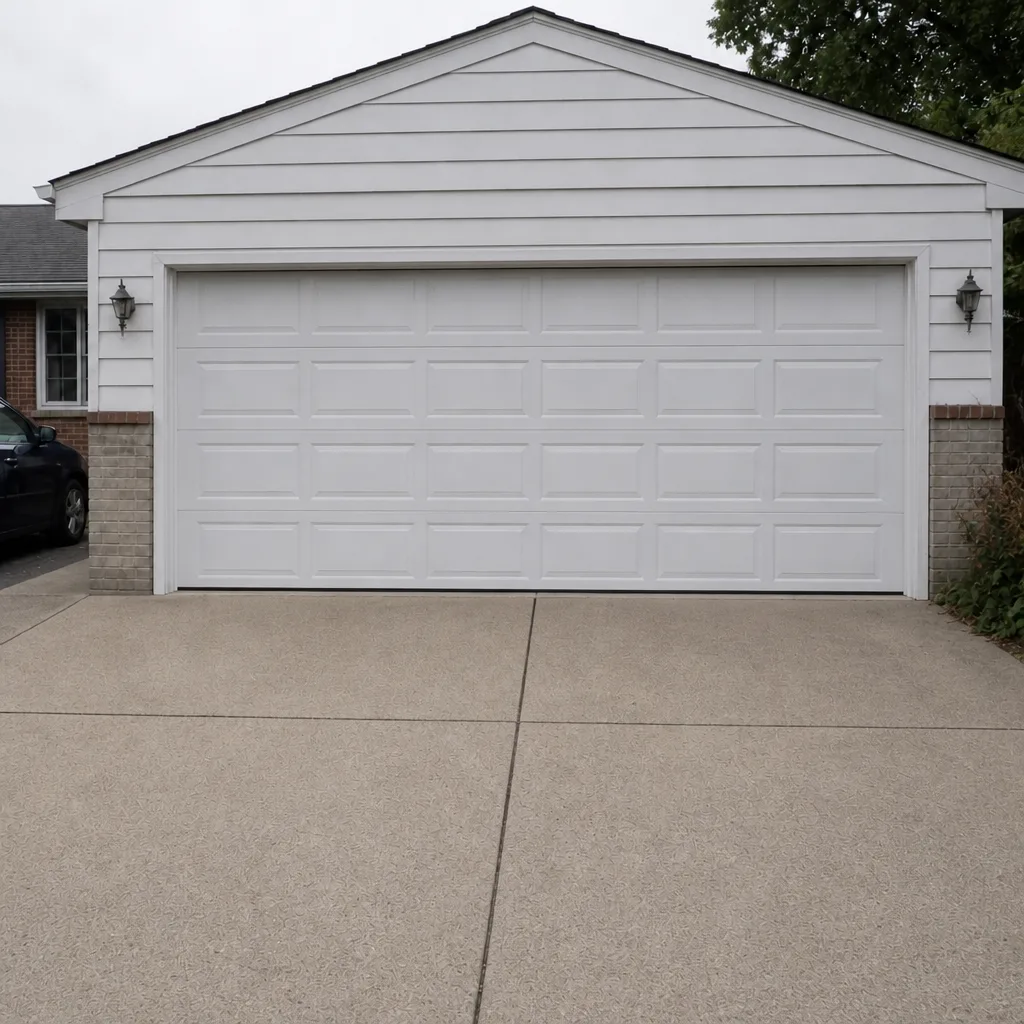
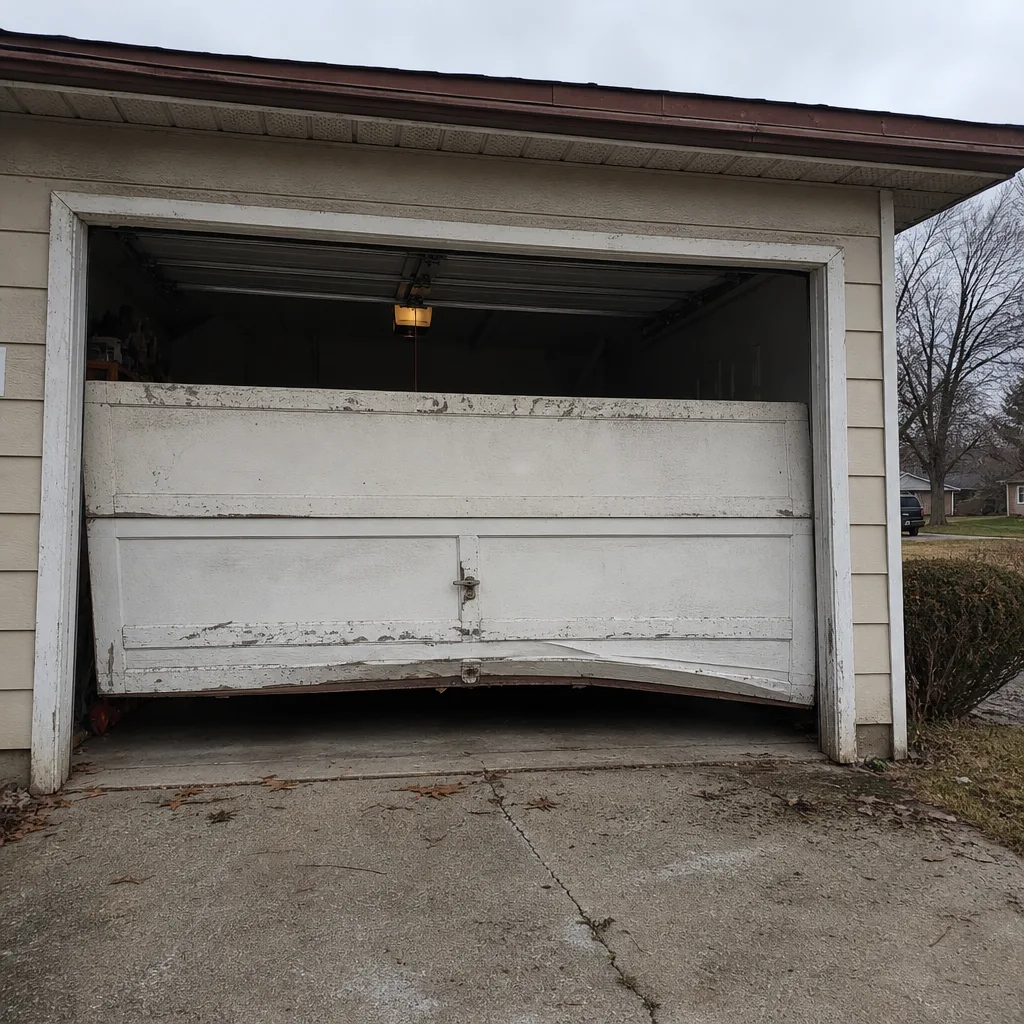
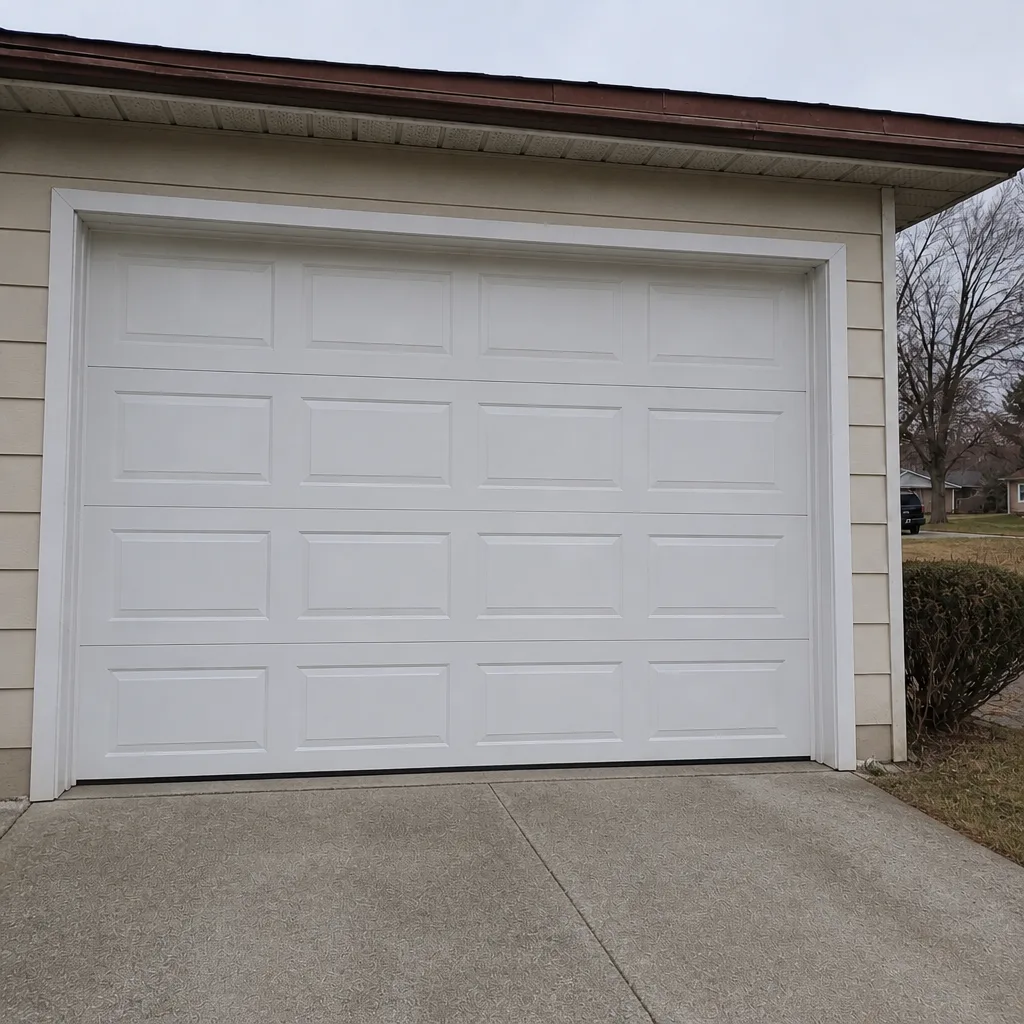
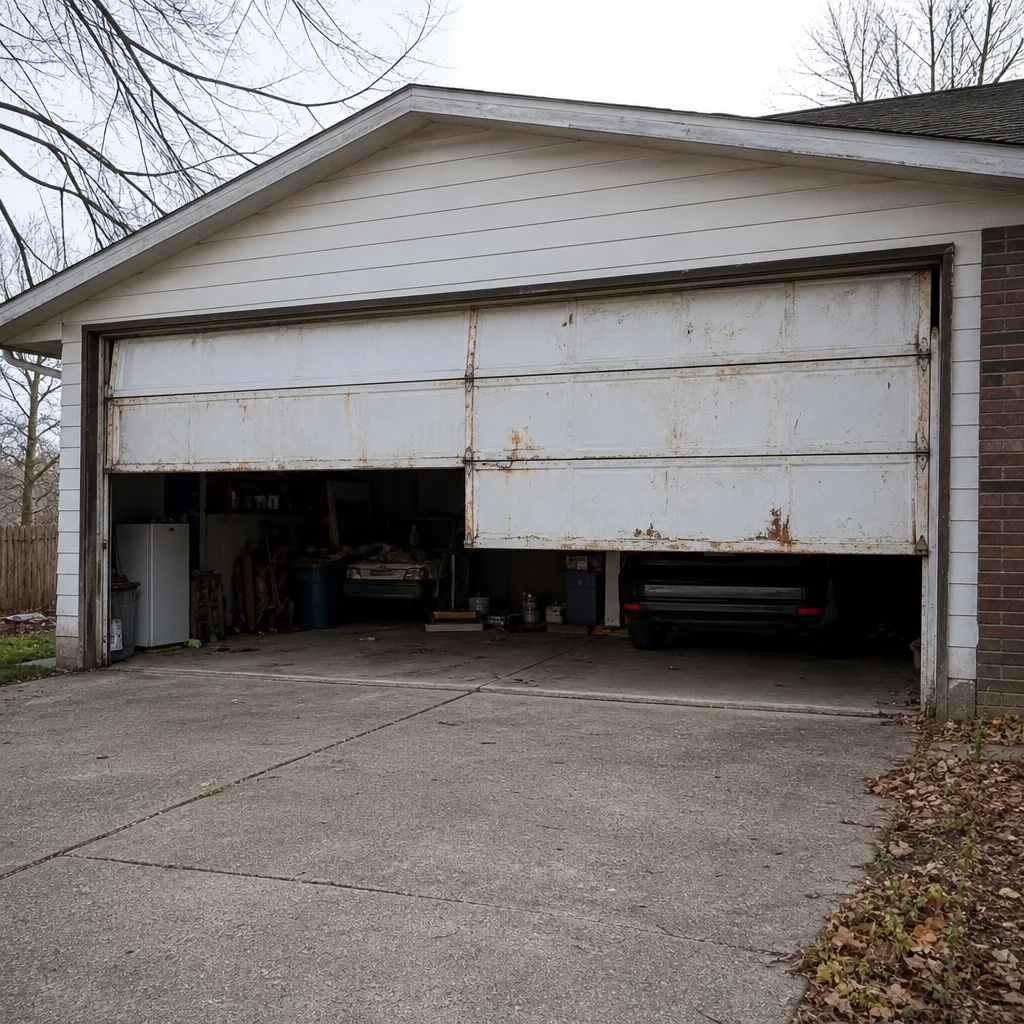
See the difference
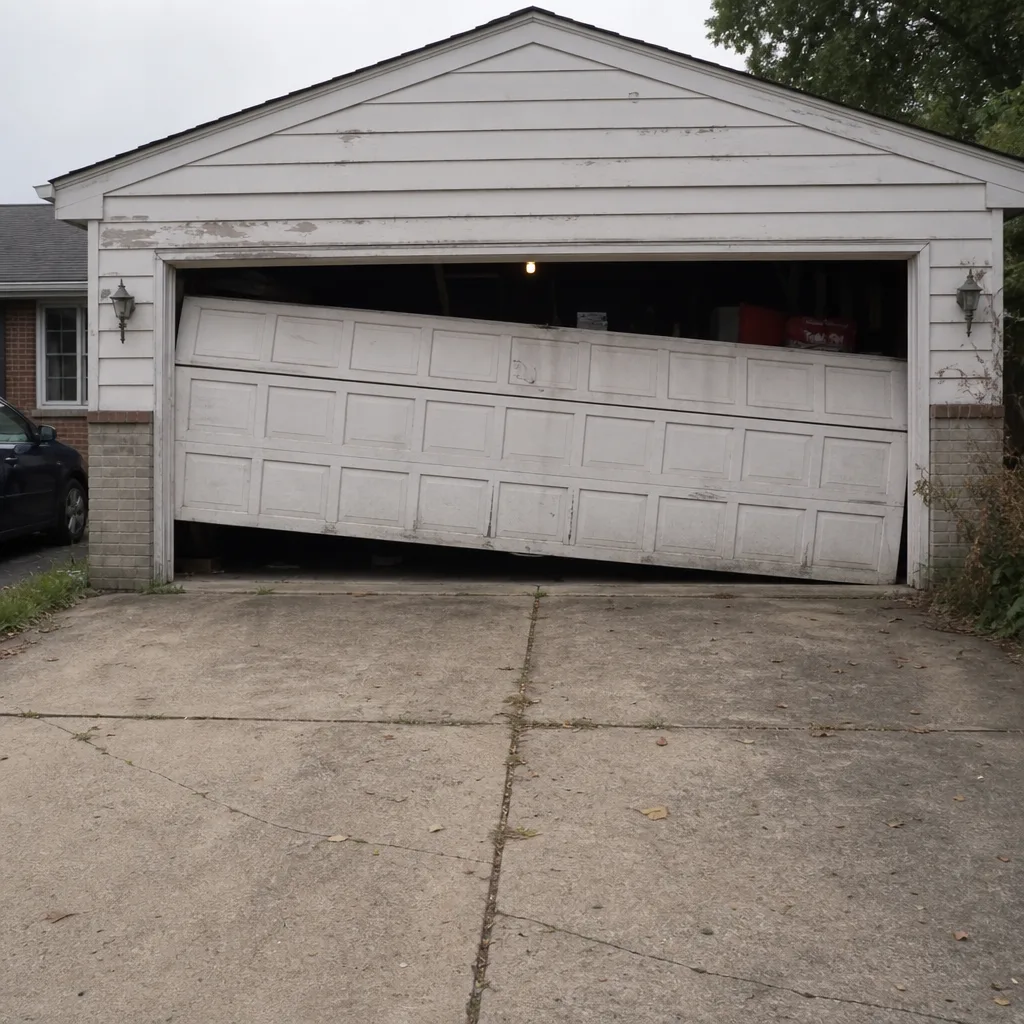 Before
 After
 Before
 After
 Before
 After
When to Call a Professional
The checklist above covers most homeowner-safe checks. Call a technician when the situation moves into any of these: a broken torsion spring, any visible fray in a lift cable, a door that fails the balance test at two or more positions, a bent or crushed track, a hinge that has loosened twice within one season, a door that reverses for no reason, or a panel that has come out of alignment with its neighbors. Also call if your door is over a decade old and the cycle count on the original springs is unknown – a technician can tell from the coil thickness and door weight when replacement should be planned rather than waited for. Garage Door Repair Ashburn offers free estimates in Ashburn – call (855) 337-1294 to book a measure and a written price.
Frequently Asked Questions
Twice a year – once in fall before the first freeze and once in spring. Fall is the more important of the two in Ashburn because winter cold stiffens torsion springs, hardens weather seals, and contracts the metal track. A single check a year will miss the season where the door is under the most load.
Yes, on the safe components – rollers, hinges, the opener rail, and the weather seal. Avoid the track and avoid anything under spring or cable tension. Use lithium grease or a garage-door-specific silicone lubricant, never WD-40. If you’re unsure which component gets which product, ask us when we quote the tune-up.
A professional tune-up in Ashburn typically runs $89 to $179, depending on the size and condition of the door. That includes lubrication, inspection, balance test, safety reverse testing, and adjustment of minor issues. Anything beyond that – a hinge replacement, a new seal, a spring – is quoted separately before any work starts. Call (855) 337-1294 for an exact quote.
You can’t predict it with certainty, but two signs come close. A door that fails the balance test (lifts hard and won’t hold position) is running on a tired spring. A door that makes a sharp bang on the way up, then becomes hard to lift by hand, has already broken one. Springs are rated in cycles, and a technician can tell from the coil whether yours is near the end of its rating.
For a standard steel roller on a door that’s in balance and disconnected from the opener, yes, it’s within the safe homeowner category, though you should watch for the door shifting during the swap. If the rollers are nylon, they don’t need lubrication, and if they squeal they usually need replacing, not oiling. If you’re not confident the door is balanced first, that’s the trigger to call.
Most likely, yes. We work on Clopay, Amarr, Wayne Dalton, Raynor, LiftMaster, Chamberlain, Genie, and Craftsman – the systems most common in Ashburn homes. Parts are stocked directly, so a hinge, roller, or common opener component usually doesn’t wait on a third-party shipment. If you’re not sure what brand you have, the model plate on the door or the opener will tell you, and the technician can confirm on the estimate.
The Bottom Line
A garage door is a mechanical system with components that wear on predictable schedules. A proper checklist – one with measurable criteria and specific products – catches that wear weeks before it turns into a failure. Inspect in fall and again in spring, follow the balance test every time, keep the twist spring and cables off your DIY list, and log what you find each season so the next check has something to compare against. In Ashburn, the fall check is the one that matters most. Our technicians have up to 10 years of experience, and we come to the brand already in your garage. Call (855) 337-1294 for a free estimate and a written quote before any work starts.
Written by the team at Garage Door Repair Ashburn.